Visit Innatefit1.com for exercise wear and equipment!!!
Why Short, Low-Impact Workouts Work Better Than Long Sessions
Short workouts and low-impact exercise often outperform long gym sessions because they improve consistency, reduce joint stress, and support faster recovery. This post explains the science in simple terms, covers the benefits of interval training, and outlines the advantages of short workouts for busy people.
SELF-HELPBEGINNERS FITNESS TIPSWORKOUTSFITNESS TIPSSTRENGTH TRAININGHEALTHMOTIVATIONMEN'S HEALTHWOMEN'S HEALTH
Joseph Battle
1/16/20266 min read


Tiny Sessions, Big Results: Why Short, Low-Impact Workouts Beat Marathon Gym Days
Most people think fitness works like this: the longer you sweat, the better the results. That idea sounds tough and heroic… and it also keeps a lot of people stuck.
In real life, long sessions often create two problems. First, they demand a big time block you rarely have. Second, they pile on fatigue, soreness, and “I’ll start Monday” energy again. Meanwhile, short workouts—especially when paired with low-impact exercise—give you a more repeatable plan. And in training, repeatable beats dramatic.
If you want progress you can actually maintain, stop chasing the two-hour grind. Start stacking short, smart sessions that respect your joints, your schedule, and your recovery. Your body isn’t impressed by your intentions. It responds to consistent inputs.
Consistency Beats Intensity (Most of the Time)
Short workouts work better because they lower the “startup cost.” When a session takes 15–30 minutes, you don’t need perfect conditions. You can train before work, during lunch, or after dinner without turning it into a major event. As a result, you train more often throughout the month, giving your body more practice. Free fitness planner.
Consistency builds skill, too. Squats, rows, push-ups, hip hinges—your nervous system improves with frequent, high-quality reps. When you work out long and tired, your technique tends to break down. Then your body practices sloppy movement patterns. That’s not “hardcore.” That’s just rehearsing bad form.
Also, shorter sessions make recovery easier. Recovery is not a luxury; it’s where adaptation happens. If every workout leaves you wrecked, you don’t bounce back fast enough to train again soon. Short sessions keep you fresh enough to show up tomorrow—and tomorrow is where the results live.
Low-Impact Exercise Protects Your Joints While Still Challenging Your Muscles
Let’s get something straight: low-impact does not mean low-effort. It means you reduce pounding and joint stress while still training your heart, lungs, and muscles. Your knees, hips, ankles, and spine handle enough stress from daily life. Training should build you up, not beat you down (well, a little).
Low-impact exercise limits harsh landing forces and repetitive impact. That matters because joint irritation often comes from too much load, too often, with not enough recovery. For many people, swapping high-impact jumping for step-ups, incline walking, cycling, rowing, swimming, or controlled strength circuits keeps the body progressing without flaring up aches.
Then there’s the anatomy piece. Your joints depend on stable, well-coordinated muscles. When your glutes fire well, your knees usually feel better. When your upper back stays strong, your shoulders behave. Low-impact training gives you time under control, better alignment, and smoother reps. That means more high-quality volume over time—without the “my knees hate me” tax. Fitness templates.
Short Workouts Keep Your Hormones and Stress in the Productive Zone
Training is a stressor. It’s a good stressor when managed well. But long sessions—especially when you’re already busy, underslept, and overcaffeinated—can push stress too far. When that happens, your body may respond with more soreness, worse sleep, and stronger cravings. Not exactly the dream plan.
Short workouts often hit the sweet spot: enough stimulus to trigger improvement, not so much that your system feels threatened. You get a solid training effect, and you still have energy to function like a human afterward. That matters if you want fat loss, muscle tone, and performance without burning out.
In addition, shorter sessions can improve appetite control. A brutal 90-minute workout sometimes leads to “I earned this pizza” logic. A crisp 20–30-minute session feels energizing rather than depleting, so you make calmer food choices afterward. Your nutrition plan shouldn’t depend on willpower once you’ve emptied the tank.
Interval Training Benefits Without the Joint Drama
If you want efficient conditioning, intervals are your best friend. Interval training benefits include improved cardiovascular fitness, better blood sugar control, and higher calorie burn per minute than steady plodding—especially when the intervals are well programmed.
Here’s the key: intervals do not require jumping, sprinting, or punishing impact. You can do intervals on a bike, rower, elliptical, incline treadmill, walk, or even with strength movements like sled pushes. You work hard for a short burst, recover, then repeat. That structure gives you intensity with control.
Intervals also keep your brain engaged. Long, steady workouts can turn into zoning out, and your form can get lazy. Intervals force focus: posture, breathing, pacing, and mechanics. Plus, they fit real life. When time is tight, a 15-minute interval session can deliver a meaningful training stimulus. That’s not “less.” That’s efficient.
The Advantages of Short Workouts for Busy People Are Real (and Measurable)
Let’s talk about real schedules. Work. Kids. Errands. Meetings that could have been emails. The advantages of short workouts for busy people start with the obvious: you can actually do them.
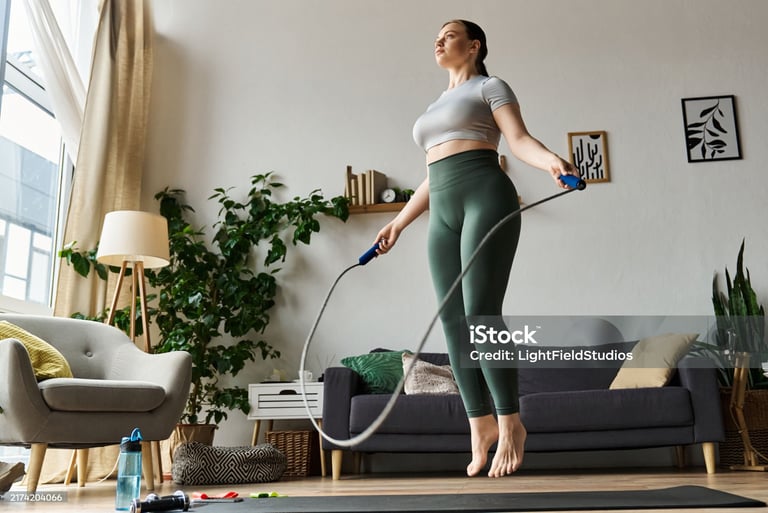
A short session reduces friction. You don’t need to drive across town, claim a machine, and wait for your turn like you’re lining up for concert tickets. You can train at home with dumbbells, bands, or bodyweight. Or you can walk briskly outdoors and still get results. When barriers drop, adherence goes up. Record your results.
Short workouts also create momentum. When you finish quickly, you get an early win. That win improves confidence and reinforces identity: “I’m someone who trains.” Over time, that identity becomes stronger than motivation. Motivation comes and goes. Identity sticks.
Finally, short training blocks allow flexible programming. You can rotate focuses across the week: strength one day, conditioning the next, mobility another. That variety reduces overuse issues and keeps progress steady. Long sessions often cram too much into one day, and you end up needing three days to recover. That’s a bad trade.
How to Structure Short, Low-Impact Workouts That Actually Work
Random workouts produce random results. A short plan still needs structure. Use this simple framework: warm-up, main work, finish. Keep it tight, keep it clean, and track a few basics to progress.
Warm-up (3–5 minutes):
Choose movements that prepare joints and raise temperature: brisk walking, cycling, hip hinges, shoulder circles, and glute bridges. The goal is not exhaustion. The goal is readiness.
Main work (10–20 minutes):
Pick a goal for the day. For strength, choose 2–4 movements and keep your rest moderate. For conditioning, use intervals on a low-impact machine or incline walk. For a hybrid, use a circuit that alternates lower body, upper body, and core.
Finish (2–5 minutes):
Use slow breathing, light stretching, or an easy cooldown walk. This helps shift your nervous system toward recovery. Also, it reduces the chance you limp into your next meeting like a confused robot.
Here are two example sessions (both joint-friendly):
Workout A: Strength Circuit (20–25 minutes, low-impact)
Goblet squat or sit-to-stand: 8–12 reps
Dumbbell row or band row: 10–15 reps
Incline push-up: 8–12 reps
Dead bug or plank: 20–40 seconds
Repeat 3–4 rounds with 45–75 seconds rest as needed.
Workout B: Low-Impact Intervals (15–20 minutes)
Bike/rower machine/incline walk
30 seconds hard + 90 seconds easy
Repeat 8–10 rounds
This delivers classic interval training benefits without pounding your joints.
Progression matters. Add a little each week: one more round, slightly more resistance, or a small pace increase. Small steps, repeated, build serious outcomes.
The Truth About Long Sessions (And When They Make Sense)
Long sessions aren’t “bad.” They’re just not the best default for most people. If you love endurance sports, train for an event, or genuinely recover well, longer workouts can fit. But they should match your life, your body, and your goal.
For general fitness, fat loss, muscle tone, and health, long sessions often create an all-or-nothing mindset. You either have two hours and do it, or you have 30 minutes and do nothing. That logic kills progress.
Short workouts flip the script: even on a busy day, there’s a training slot. That’s how you win the year. Not with one heroic Saturday session, but with dozens of consistent “done” days.
And yes, you can still feel accomplished. You don’t need to be exhausted to be effective. If you finish a session feeling stronger and more capable, that’s a success. If you finish destroyed and dread the next workout, that’s a warning sign—your plan needs adjustment.
Your Next Step: A Simple Weekly Game Plan
If you want a practical start, aim for 4–6 short workouts per week, each 15–30 minutes, mostly low-impact. Mix strength and conditioning. Keep at least one easier day for recovery.
Here’s a sample week:
Mon: Strength circuit (20–25 min)
Tue: Low-impact intervals (15–20 min)
Wed: Mobility + easy walk (15–30 min)
Thu: Strength circuit (20–25 min)
Fri: Low-impact steady cardio (20–30 min)
Sat: Optional short workouts: technique + core (15–20 min)
Sun: Rest or gentle walk
Then track two numbers: sessions completed and progression (more reps, better form, slightly more resistance, or improved pacing). That’s it. Fitness gets complicated when people chase perfection. Results come from repetition.