Visit Innatefit1.com for exercise wear and equipment!!!

Tips for Improving Your Deadlift Beyond Just Adding Weight
Discover the best movements to improve your deadlift grip and back strength with these expert tips. Take your deadlift game to the next level and see real progress beyond simply adding more weight.
SELF-HELPBEGINNERS FITNESS TIPSWORKOUTSFITNESS TIPSSTRENGTH TRAININGPOWERLIFTING TIPS
Joseph Battle
3/16/20266 min read
Unlocking Deadlift Potential
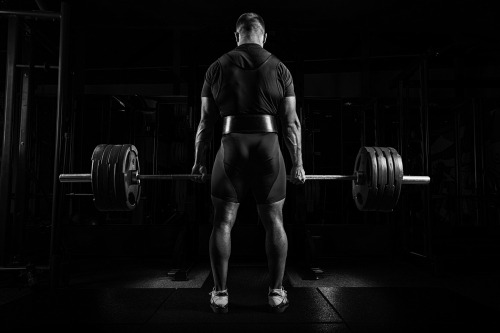
Picture the deadlift as a symphony, where every instrument plays a crucial role. This compound exercise offers multiple benefits, from building muscle strength to enhancing athletic performance. But improving your deadlift isn’t just about piling on more weight. It’s about tuning every part of the orchestra — particularly your grip strength and back power. These elements ensure harmony in your lift, leading to better performance and a reduced risk of injury. Affiliate Disclosure: Some links in this article are affiliate links, meaning I may earn a commission at no extra cost to you.
Mastering Your Grip
A strong grip is the unsung hero of a successful deadlift, much like the steady hand of a surgeon. It’s essential for maintaining control over the barbell, ensuring your lift remains stable and secure. A firm grip not only prevents the bar from slipping but also allows you to focus on executing your lift with precision and power. This foundational strength can significantly enhance your overall lifting performance, leading to greater gains and confidence in your abilities. Chalk for grip.
To build this crucial strength, consider incorporating targeted exercises into your routine. Start with the hexagonal dumbbell squeeze, where you grip one end of a hexagonal dumbbell and hold it for time. This exercise challenges your grip endurance.
Another effective move is the farmer’s carry, which involves carrying heavy weights over a distance, mimicking the grip demands of a deadlift. Finally, don’t underestimate the plate pinch for time, a simple yet effective exercise that enhances your pinch grip, crucial for deadlifting success. Handles for farmers’ carry.
Building a Powerful Back
Having a strong back is the backbone of a successful deadlift. The spinal erectors, lats, and traps are critical players in maintaining a neutral spine, stabilizing the shoulders, and keeping the weight close to your body. This orchestration of muscle groups not only ensures proper alignment and safety but also enhances your lifting performance by transferring force effectively from your hips and legs to the barbell. Trap bar.
To fortify these essential muscles, consider incorporating exercises such as the barbell bent-over row, which targets the lats and traps, thereby promoting upper-body strength and stability. Another staple is the pull-up, a fundamental compound exercise that engages the entire back, with a primary focus on the lats and traps.
Lastly, bird dogs are excellent for activating the spinal erectors and improving spinal stability and endurance. By integrating these exercises into your routine, you’ll not only enhance your deadlift but also improve overall weightlifting performance and reduce the risk of injury.
Engaging Your Core
A strong core is like the foundation of a skyscraper; without it, even the strongest structures can crumble. Core stability plays a pivotal role in optimizing your deadlift performance by maintaining a neutral spine, which is crucial in distributing force evenly and minimizing the risk of injury. At the heart of core stability lies the transverse abdominis (TA), a deep abdominal muscle that acts as a natural weight belt, enhancing intra-abdominal pressure and stabilizing the spine and pelvis during lifts. Ab training wheel.
To bolster your core strength and improve your deadlift, incorporate exercises like planks to enhance overall core endurance. Another effective exercise is the pullover deadbug, which engages multiple core muscles, including the TA, helping maintain tension and a neutral spine.
Lastly, consider ab roll-out to strengthen your core in an extended position, thereby enhancing stability and performance during deadlifts. By integrating these exercises, you'll build a rock-solid core, paving the way for safer and more effective lifts.
Leg Power Boost
Think of your legs as the engine driving the lift—without robust leg power, your deadlift journey might stall before it even begins. The strength of your legs is essential, particularly the quadriceps, hamstrings, and glutes, as they form the foundation of the lift. They provide the necessary power to initiate and sustain the lift, ensuring you can push through barriers and lift heavier weights.
To enhance this engine, incorporate squats and lunges into your routine. Squats are excellent for building overall leg strength, focusing on the quadriceps and functional strength, which translates into better deadlift performance. Lunges, on the other hand, add variation and target the glutes and legs differently, providing a comprehensive workout. These exercises not only boost muscle engagement but also improve core stability and technique, promoting better form and reducing injury risk.
By prioritizing leg strength with these exercises, you’ll fuel your deadlift performance, allowing that engine to run smoothly on the path to lifting success.
Flexibility and Mobility
Flexibility is like oiling a door’s hinges; it ensures your body moves smoothly and efficiently, especially during a deadlift. A flexible body enhances your range of motion, allowing you to execute the lift with proper form and reduce the risk of injury. When your muscles and joints move harmoniously, you’re more likely to perform optimally.
To boost your flexibility, focus on hamstring stretches like the Romanian Deadlift Eccentric Isometrics. This exercise not only improves mobility but also enhances movement control and strength. The Half Kneeling Hip Flexor Stretch is another excellent choice, targeting key muscles involved in deadlifting.
Incorporating these stretches into your routine can unlock a greater range of motion, making your deadlifts smoother and more effective. Remember, flexibility isn’t just a bonus; it’s a fundamental part of your lifting strategy. So, keep those hinges well-oiled, and watch your deadlift performance soar.
Mindset and Focus
When it comes to deadlifting, your mind is the steering wheel guiding your lift. Just as a car will not reach its destination without direction, your lifts won’t reach their potential without mental focus. A clear, focused mind enhances your performance, allowing you to channel strength effectively and safely. Fitness journal.
One powerful tool in your mental arsenal is visualization. Before stepping up to the bar, take a moment to visualize yourself executing a perfect lift. Picture the bar rising smoothly, your form flawless, and the weight feeling manageable. This mental rehearsal not only builds confidence but also primes your muscles to perform the task effectively.
Another tip is to create a pre-lift routine that centers you. Whether it’s a deep breath, a specific thought, or a small physical cue like adjusting your grip, these rituals can help sharpen your focus and signal your body that it’s time to perform.
Embrace the power of your mind in lifting. By steering your focus and visualizing success, your deadlifts will be less about brute strength and more about mental mastery.
FAQ on Improving Your Deadlift
Q: How can I improve my deadlift technique?
A: Focus on maintaining a neutral spine, engaging your core, and driving through your heels. Practicing with lighter weights can help you perfect your form and enhance flexibility, which is crucial for a full range of motion.
Q: What supplements can support my deadlifting progress?
A: Creatine and protein supplements are popular for strength gains. Creatine enhances energy production during high-intensity lifts, while protein aids in muscle repair and growth. Always consult a healthcare professional before starting any supplement regimen.
Q: How often should I deadlift each week?
A: For most lifters, deadlifting 1-2 times per week is sufficient. This frequency allows for adequate recovery while promoting improvements in strength and technique. Listen to your body and adjust based on how you feel and your recovery needs.
Implementing these strategies can make your deadlifting journey more effective and enjoyable. Remember, consistency and patience are key to progress.
Conclusion and Next Steps
Improving your deadlift goes beyond just adding weight; it involves enhancing flexibility, mastering grip strength, building back power, and boosting core and leg stability. Start incorporating these strategies gradually, focusing on one area at a time to avoid overwhelm.
Keep a training journal to track your progress and adjust as needed. Begin implementing these tips today to elevate your deadlifting game and achieve stronger, safer lifts. Remember, consistency is key, and small, steady improvements lead to great gains!