Visit Innatefit1.com for exercise wear and equipment!!!

The Lean Bulking Secret: Best Carbs for Muscle Growth Without Bloating
Lean bulking made easy. Learn which carbs support digestion during a bulk, sustain energy, and help you gain muscle without feeling weighed down. Optimize your bulking diet today.
HEALTHSTRENGTH TRAININGNUTRITION AND RECOVERYSELF-HELPBEGINNERS FITNESS TIPSWORKOUTSFITNESS TIPS
Joseph Battle
6/21/202610 min read


You’re Not Heavy — You’re Just Eating the Wrong Carbs
Let’s be honest: bulking often feels like a battlefield. You’re stacking calories and chasing muscle growth, yet you end up feeling sluggish, bloated, and wrapped in a fog of discomfort after every meal. It’s not your fault — it’s how most people approach their bulking diet. They pile on carbs without thinking about how those carbs behave in the body. The result? A stomach that feels like it’s hosting a mini circus, energy crashes by mid-afternoon, and progress that stalls because you’re too full to train hard.
But here’s the truth: you don’t have to choose between gaining size and feeling light. The key isn’t eating less — it’s choosing smarter. There are carbs that fuel muscle growth, support digestion, and keep you energized all day long.
This article reveals the best carbs for bulking without bloating, backed by science and designed for lifters who want real results without the digestive drama. No vague “eat clean” advice. No gimmicks. Just clear, actionable strategies rooted in how food actually works in the human body.
Why Carb Choice Matters More Than You Think
When you’re in a bulk, your goal is simple: increase calorie intake to drive muscle growth. But not all calories are created equal — especially when it comes to carbohydrates. The type of carb you pick directly affects how your body handles it. Some cause rapid spikes in blood sugar, leading to quick energy followed by a crash. Others sit heavily in the gut, making you feel stuffed for hours. These aren’t just minor annoyances — they sabotage performance, recovery, and consistency.
That’s why digestibility is the unsung hero of any successful bulking diet. Foods that digest well don’t overwhelm the system. They release energy slowly, prevent gas buildup, and let you eat more without feeling like a balloon about to burst.
Think of it like this: if your body can process carbs efficiently, you’re not just burning fuel — you’re building a better engine. And when your digestive tract runs smoothly, your training improves, your recovery accelerates, and your progress becomes sustainable.
Another factor? Glycemic index (GI). High-GI carbs spike insulin fast — great for post-workout replenishment, but terrible for constant fullness. Low- and medium-GI options offer steady glucose release, which keeps energy levels stable and prevents insulin surges that promote fat storage. Combine that with fiber types that ferment gently (not violently), and you’ve got a recipe for comfort during a high-calorie phase.
And let’s talk about fullness cues. The wrong carbs make you feel “done” after two bites. The right ones? You finish a meal still hungry for more — not because you’re overeating, but because you’re getting actual value from each bite. That’s the power of selecting carbs based on nutrient density, digestion speed, and satiety profile.
So yes — the choice of carb matters. It determines whether your bulk feels like a triumph or a punishment. And the good news? You already know what these foods are. You just need to stop defaulting to the same old suspects and start treating carbs as precision tools.
Top 10 Carbs for Lean Bulking: Digestion-First Fuel
1. White Rice (Short-Grain, Parboiled) – The Gentle Giant
Serving Suggestion: 1 cup cooked (about 200g) per meal, paired with lean protein and steamed veggies.
Why it works: Parboiled white rice undergoes steam processing that changes its starch structure. This makes it easier to digest than regular white rice and reduces the risk of bloating. It has minimal fiber, so it doesn’t linger in the gut.
Yet it delivers a steady stream of glucose to refuel muscles and support glycogen restoration — critical during intense training. Plus, it’s low in anti-nutrients like phytic acid, meaning your body absorbs minerals more effectively.
Best time to eat: Post-workout or as a main carbohydrate source at dinner. Ideal for refueling after lifting when your muscles crave glycogen.
Pro tip: Rinse it under cold water before cooking to reduce sticky residue and improve texture. Pair it with a pinch of salt and a drizzle of olive oil to boost flavor and enhance nutrient absorption. Avoid eating it straight from the pot — let it cool slightly. Cooling increases resistant starch, which feeds beneficial gut bacteria without causing gas.
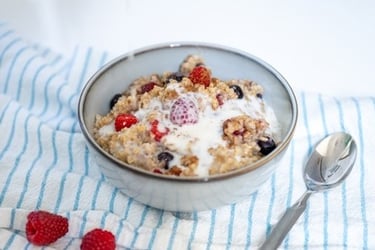
2. Oatmeal (Steel-Cut or Rolled, Not Instant) – The Slow-Burn Powerhouse
Serving Suggestion: ½ cup dry steel-cut oats cooked in water or milk (dairy or plant-based). Add cinnamon, berries, and a spoon of nut butter.
Why it works: Steel-cut oats are minimally processed, meaning they retain their natural fiber structure. They’re rich in beta-glucan, a soluble fiber that supports healthy digestion and helps regulate blood sugar.
Unlike instant oats, which spike insulin quickly, steel-cut oats release energy gradually, keeping you fueled for hours. They also promote satiety, helping you manage hunger during a calorie surplus.
Best time to eat: Breakfast or pre-workout (if eaten 2–3 hours before training). The slow burn prevents mid-morning crashes.
Pro tip: Soak them overnight in water or milk to soften the grain and reduce phytates. This improves digestibility and enhances mineral availability. Use a ratio of 1 part oats to 2 parts liquid for optimal texture. Skip sugary syrups — use mashed banana or a dash of maple syrup instead.
3. Sourdough Bread – The Fermented Advantage
Serving Suggestion: 2 slices (approx. 60g) toasted, topped with avocado, eggs, or turkey.
Why it works: Sourdough is made through a fermentation process that breaks down complex starches and gluten proteins. This means it’s easier on the gut than regular bread. The lactic acid produced during fermentation lowers the GI, so your blood sugar stays stable. Plus, sourdough contains fewer fructans — the FODMAPs that cause bloating in sensitive individuals.
Best time to eat: Midday meal (lunch) or as a post-workout snack with protein. Its moderate fiber content supports digestion without triggering discomfort.
Pro tip: Choose sourdough made with a long fermentation (12+ hours). Look for labels that say “natural leavening” or “wild yeast starter.” Avoid commercial brands with added sugars or preservatives. Toast it lightly — this further reduces moisture and makes it less likely to ferment in the gut.
4. Sweet Potatoes – The Nutrient-Rich Dynamo
Serving Suggestion: 1 medium baked sweet potato (approx. 200g), skin on, served with grilled chicken and greens.
Why it works: Sweet potatoes are packed with beta-carotene, potassium, and vitamin C — nutrients that support immune function and recovery. Their complex carbohydrates break down slowly, providing sustained energy.
The fiber is mostly insoluble, meaning it moves through the digestive tract efficiently, reducing the chance of gas and bloating. Cooking them thoroughly (baking or boiling) softens the cell walls, improving digestibility.
Best time to eat: Dinner or post-workout. Great for evening meals when you want steady energy and no jitters.
Pro tip: Peel only if needed. The skin is rich in fiber and antioxidants. Bake at 400°F (200°C) until tender — don’t overcook. If you’re prone to gas, remove the skin and mash with a little butter or coconut oil to improve tolerance.
5. Rice Cakes – The Lightweight Fuel
Serving Suggestion: 2 plain rice cakes spread with almond butter, honey, or Greek yogurt.
Why it works: Rice cakes are ultra-light, low-fiber, and highly digestible. They’re made from puffed rice, which means they’re easy to break down and pass through the digestive system. Because they contain almost no fat or protein, they’re ideal for adding calories without increasing fullness. Perfect for snacking between meals when you need extra fuel.
Best time to eat: Between meals or as a pre-workout snack (1 hour before training).
Pro tip: Always pair them with a protein or healthy fat source. Plain rice cakes alone can cause blood sugar spikes. Use them as a base for balanced mini-meals — think “rice cake sandwich” with peanut butter and banana slices. Avoid flavored varieties with artificial ingredients or excess sugar.
6. Pumpkin Puree – The Underdog Superfood
Serving Suggestion: ¾ cup of cooked pumpkin puree mixed into oatmeal or smoothies, or served as a side dish.
Why it works: Pumpkin is low in calories but high in volume and nutrients. It’s rich in soluble fiber (pectin), which supports gut health and helps regulate digestion. Unlike many starchy vegetables, pumpkin digests quickly and doesn’t cause gas or bloating. It’s also loaded with magnesium and potassium — essential for muscle function and fluid balance.
Best time to eat: Any meal, especially breakfast or lunch. Excellent for adding calories without heaviness.
Pro tip: Use fresh or canned pure pumpkin (unsweetened). Avoid “pumpkin pie filling,” which contains sugar and spices. Blend it into smoothies with banana and protein powder for a creamy, satisfying drink. Or mix it into scrambled eggs for a savory twist.
7. Beets – The Blood Flow Booster
Serving Suggestion: 1 medium roasted beet (approx. 100g), sliced or grated into salads or grain bowls.
Why it works: Beets are unique among root vegetables. They’re rich in nitrates, which convert to nitric oxide in the body — a molecule that dilates blood vessels and improves circulation.
Better blood flow means more oxygen and nutrients reach working muscles, enhancing performance and recovery. They also contain a moderate amount of fiber, but it’s mostly non-fermentable, so it doesn’t trigger gas.
Best time to eat: Pre-workout (1–2 hours before training) or as part of a post-workout meal.
Pro tip: Roast or steam beets to reduce oxalate content and improve digestibility. Raw beets can be harder to process for some. Serve them chilled or at room temperature to avoid digestive irritation. Pair with a bit of lemon juice and olive oil to enhance nutrient absorption.
8. Quinoa – The Complete Grain (With Caveats)
Serving Suggestion: ½ cup cooked quinoa mixed into salads, stir-fries, or served as a side.
Why it works: Quinoa is one of the few plant-based complete proteins, containing all nine essential amino acids. It’s also rich in magnesium, iron, and fiber. However, it contains saponins — bitter compounds that can irritate the gut if not rinsed properly. When prepared correctly, quinoa is highly digestible and provides a balanced mix of complex carbs and protein.
Best time to eat: Lunch or dinner. Works well as a base for protein-rich meals.
Pro tip: Rinse quinoa thoroughly under cold water before cooking to remove saponins. Cook it with a pinch of salt and a splash of broth for flavor. Let it cool slightly before eating — cooling increases resistant starch, which supports gut health.
9. Bananas – The Natural Energy Pack
Serving Suggestion: 1 medium banana (100g) eaten solo, added to oatmeal, or blended into smoothies.
Why it works: Bananas are naturally rich in potassium and contain both soluble and insoluble fiber. Green bananas have higher resistant starch, which ferments gently in the colon.
Ripe bananas provide fast-digesting sugars (glucose and fructose) that quickly spike energy. For bulking, ripe bananas are ideal — they deliver immediate fuel without overwhelming the system.
Best time to eat: Pre-workout (30–60 minutes before training) or as a post-workout snack.
Pro tip: Eat bananas at room temperature. Cold bananas can trigger cramping in sensitive guts. If you’re sensitive to fructose, limit intake to 1–2 per day. Pair with a small amount of protein (like Greek yogurt) to slow absorption and prevent blood sugar spikes.
10. Mashed Cauliflower – The Stealthy Volume Builder
Serving Suggestion: 1 cup mashed cauliflower (cooked and blended), seasoned with garlic, butter, and herbs.
Why it works: Cauliflower is extremely low in calories but high in volume — perfect for adding bulk to your meals without adding weight. It’s rich in choline, folate, and glucosinolates (anti-inflammatory compounds).
When mashed, it mimics the texture of potatoes but with far less impact on digestion. It’s also low in fermentable fibers, so it rarely causes bloating.
Best time to eat: As a side dish at dinner or lunch. Great alternative to rice or potatoes.
Pro tip: Steam or boil cauliflower until tender, then blend with a splash of warm milk or cream. Add a knob of butter and a sprinkle of nutritional yeast for umami depth. Avoid overcooking — it can become mushy and harder to digest.
Sample Meal Structure for a 2500–3000 kcal Lean Bulk
Here’s how to weave these best carbs for bulking without bloating into a full day of eating:
Breakfast (7:00 AM):
½ cup steel-cut oats cooked in water
1 scoop whey protein
½ banana
1 tbsp almond butter
1 cup spinach sautéed in olive oil
→ Total: ~600 kcal | Carbs: 75g | Protein: 40g | Fiber: 8g
Mid-Morning Snack (10:30 AM):
2 rice cakes with 1 tbsp peanut butter
1 small apple
→ Total: ~300 kcal | Carbs: 40g | Protein: 8g | Fiber: 5g
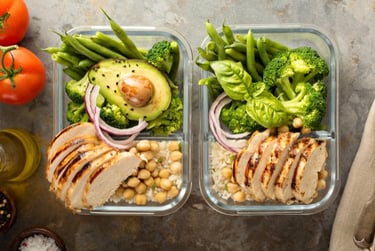
Lunch (1:00 PM):
1 medium baked sweet potato (200g)
6 oz grilled chicken breast
2 cups mixed greens with olive oil & lemon dressing
½ cup steamed broccoli
→ Total: ~650 kcal | Carbs: 60g | Protein: 50g | Fiber: 10g
Pre-Workout (4:00 PM):
1 ripe banana
1 cup plain Greek yogurt
→ Total: ~300 kcal | Carbs: 45g | Protein: 25g | Fiber: 3g
Post-Workout (6:00 PM):
1 cup cooked quinoa
8 oz salmon
1 cup roasted beets
1 cup steamed kale
→ Total: ~700 kcal | Carbs: 55g | Protein: 55g | Fiber: 8g
Dinner (8:00 PM):
1 cup mashed cauliflower
6 oz lean beef
½ cup roasted pumpkin puree
1 slice sourdough bread
→ Total: ~600 kcal | Carbs: 50g | Protein: 45g | Fiber: 7g
Evening Snack (10:00 PM):
1 cup cottage cheese
¼ cup blueberries
→ Total: ~200 kcal | Carbs: 15g | Protein: 25g | Fiber: 3g
Daily Totals: ~3,350 kcal | Carbs: 340g | Protein: 248g | Fiber: 44g
This plan uses healthy foods to increase calories without relying on heavy, fibrous, or gas-inducing options. Each carb choice supports digestion while fueling muscle growth. Portion sizes are adjustable — add more rice or oats if you need extra calories.
Common Mistakes and Fixes
Mistake #1: Overloading on high-fiber carbs too fast
Adding 20g of fiber in one meal can cause bloating, cramping, and gas — especially if your gut isn’t used to it. This happens when people swap in beans, lentils, or raw cruciferous veggies without easing in.
Fix: Gradually increase fiber intake. Start with 5–10g per meal, then build up over 2–3 weeks. Focus on gentle fibers like those in oats, pumpkin, and sweet potatoes. Avoid sudden jumps.
Mistake #2: Ignoring hydration during a high-calorie phase
When you eat more food, especially carbs, your body needs more water to move it through the digestive tract. Dehydration slows digestion and increases the risk of constipation and bloating.
Fix: Drink at least 3–4 liters of water daily. Add electrolytes (sodium, potassium, magnesium) if you sweat heavily. Water isn’t just for thirst — it’s for movement, breakdown, and elimination.
Mistake #3: Loading calories too fast
Jumping from 2,000 to 3,500 kcal in a week overwhelms the digestive system. Your body can’t adapt instantly, and you’ll feel sluggish, gassy, and unmotivated.
Fix: Increase calories by 200–300 kcal per week. Track how you feel. If you notice bloating, fatigue, or poor recovery, stay put or scale back. Consistency beats speed.
Final Thoughts: Build Smarter, Not Heavier
Bulking shouldn’t mean feeling like a sack of potatoes. The best carbs for bulking without bloating exist — they’re not magic, just smart choices. By focusing on foods that support digestion during a bulk, you create a system where every calorie counts toward muscle growth, not discomfort.
You don’t need to eliminate fiber or sacrifice nutrition. You just need to pick the right kind — the kind that fuels performance, aids recovery, and keeps you moving. Prioritize digestibility, timing, and pairing. Let your meals be strategic, not stressful.
Your body is built to handle more food — but only if you feed it wisely. So this week, try swapping one heavy, fibrous carb meal for a lighter, more digestible option. Notice how you feel. Is your energy steadier? Do you train harder? Does your stomach feel clearer?
If yes, you’re already ahead.