Visit Innatefit1.com for exercise wear and equipment!!!

The Brutal Truth About Why Your Habits Keep Failing (And How to Finally Break the Cycle)
Discover why your habits keep failing despite good intentions. Learn how self-honesty and truthful reflection create lasting change in work, wellness, and life. Stop the cycle now.
SELF-HELPCONFIDENCE BUILDINGPERSONAL DEVELOPMENTMOTIVATIONHEALTHMINDSET
Joseph Battle
3/9/20266 min read


Here’s something nobody wants to admit: you already know exactly what you need to do to change your life.
You know you should exercise more, eat better, work smarter, and create boundaries. Yet here you are, stuck in the same patterns, wondering why “this time” never actually sticks.
The answer isn’t another productivity hack or miracle morning routine. It’s something far more uncomfortable—and far more powerful.
The Lies We Tell Ourselves (And Why They’re Killing Our Progress)
Let’s start with some truthful self-reflection that might sting a little. How many times have you said “I don’t have time” when you spent two hours scrolling social media? How often do you claim you’re “too busy” while binge-watching Netflix series?
These aren’t character flaws—they’re protection mechanisms. Your brain creates these stories because facing reality feels threatening. However, every lie you tell yourself about why you can’t change becomes another brick in the wall separating you from the life you want.
The most dangerous lies sound reasonable. “I’ll start Monday.” “I’m just not a morning person.” “I work better under pressure.” These stories feel true because they’re convenient. Meanwhile, they keep you exactly where you are, wondering why everyone else seems to have figured out what you’re missing.
The Hidden Psychology Behind Habit Failure
Most people approach habits like they’re training a robot. Do X for 21 days, and voilà—automatic behavior. But humans aren’t robots, and self-honesty reveals why this approach fails spectacularly.
Your subconscious mind has one job: keep you safe. Change feels dangerous, even when it’s good for you. So your brain creates resistance disguised as reasonable excuses. You don’t “forget” to go to the gym—your brain remembers everything else that day. You choose comfort over growth, then convince yourself it wasn’t really a choice.
Furthermore, most habit advice ignores the messy reality of human psychology. You can’t willpower your way past deep-seated beliefs about who you are and what you deserve. If you secretly believe you’re the type of person who gives up, guess what happens when things get difficult?
Work Habits That Actually Work (When You Stop Lying About What You Want)
Here’s where work-life alignment gets real. You probably tell yourself you want work-life balance, but do you really? Or do you want the comfort of complaining about how busy you are while avoiding the scary work of setting boundaries?
True work habit transformation starts with admitting what you actually value versus what you think you should value. Maybe you love being busy because it makes you feel important. Maybe you procrastinate because starting feels like a commitment, and commitment feels like losing options.
Once you acknowledge these truths, you can build systems that work with your psychology instead of against it. If you love feeling productive, batch your tasks to create more opportunities to get them done. If you’re motivated by urgency, create artificial deadlines. Stop trying to become someone else and start working with who you actually are.
The Wellness Reality Check Nobody Talks About
Fitness culture sells you the lie that motivation creates action. But daily self-discipline reveals the opposite: action creates motivation. You don’t feel like working out, and then you go to the gym. You go to the gym, and then you start feeling like someone who works out.
Most wellness advice assumes you’re starting from zero, but you’re not. You already have habits around food, movement, and self-care—they’re just serving different needs than you admit. That afternoon snack isn’t really about hunger. That skipped workout isn’t really about time. These behaviors are meeting psychological needs you haven’t acknowledged.
Additionally, wellness culture promotes all-or-nothing thinking that sets you up for failure. You don’t need perfect nutrition or a flawless exercise routine. You need sustainable practices that fit your actual life, not the life you think you should have. The person who walks for twenty minutes daily will always outperform the person who plans elaborate gym routines they never follow.
Personal Relationships: Where Self-Deception Does the Most Damage
Your relationships mirror your relationship with yourself. If you can’t be honest with yourself about your patterns, needs, and boundaries, how can you be authentic with others?
People-pleasing isn’t kindness—it’s self-deception disguised as generosity. When you say yes to avoid conflict, you’re not being nice. You’re avoiding the discomfort of disappointing someone, then resenting them for “making” you do things you chose to do.
Moreover, the stories you tell yourself about others often reveal more about you than about them. If you constantly feel misunderstood, maybe you’re not communicating clearly. If you attract drama, maybe you’re unconsciously creating it. These patterns continue until you get honest about your role in creating them.
Money Mindset: The Ultimate Truth Detector
Nothing reveals self-deception like money habits. You can lie to yourself about priorities, values, and goals, but your bank statement tells the real story. Where you spend reveals what you actually value, not what you think you should value.
Financial personal accountability starts with tracking spending without judgment—just awareness. That daily coffee isn’t the problem. The problem is calling it an accident when you choose it every single day. Every purchase is a vote for the life you want, so make sure you’re voting for what you actually want.
Beyond spending, money fears often mask deeper issues about self-worth and control. If you avoid looking at your finances, you’re probably avoiding looking at other areas where you feel powerless. Money becomes a mirror reflecting every uncomfortable truth you’d rather ignore.
The Identity Shift That Changes Everything
Here’s the secret most self-help misses: sustainable change happens at the identity level, not the behavior level. You don’t build new habits by forcing different actions. You build them by becoming someone who naturally takes those actions.
This identity shift requires brutal honesty about who you are now versus who you want to become. If you see yourself as someone who starts things but doesn’t finish them, that belief will undermine every goal you set. However, if you can gather evidence that you are actually someone who follows through—even in small ways—you create a new story about yourself.
Furthermore, identity change happens through tiny, consistent proofs, not dramatic transformations. Every time you keep a small promise to yourself, you build trust. Every time you choose growth over comfort, you reinforce your new identity. The person you become is built from thousands of small choices that align with who you want to be.
Building Your Truth-Based Action Plan
Now that you’ve faced some uncomfortable truths, it’s time to build systems that work with reality instead of against it. Start by identifying one area where you’ve been lying to yourself. Maybe you’re not “too busy” to meal prep—you just haven’t prioritized it. Maybe you don’t “hate exercise”—you just haven’t found a movement you enjoy.
Next, design experiments instead of commitments. Experiments feel safer because they have built-in endpoints. Try meal prepping for one week. Walk for ten minutes after lunch for five days. These small tests help you gather data about what works without the pressure of permanent change.
Finally, create accountability that feels supportive, not punitive. This might mean finding a workout buddy, hiring a coach, or simply tracking your progress visually. The key is choosing accountability that motivates rather than shames you when you inevitably have setbacks.
Your Next Right Step (Because Perfect Plans Are Procrastination in Disguise)
Stop waiting for the perfect moment, the perfect plan, or the perfect motivation. Those are just sophisticated forms of procrastination. The best time to start being honest with yourself is now, and the best way to start is with one small truth.
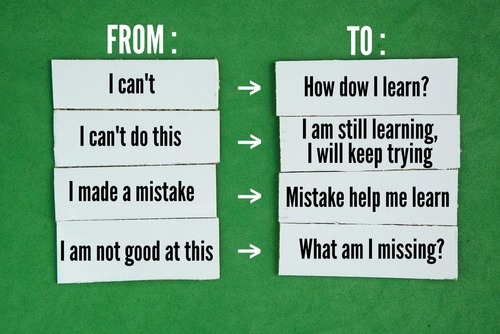
Pick one lie you’ve been telling yourself and replace it with reality. Instead of “I don’t have time,” try “I haven’t made this a priority.” Instead of “I’m not good at this,” try “I’m still learning this.” These shifts might seem small, but they create space for different choices.
Remember, lasting change happens in the gap between stimulus and response. When you feel the urge to fall back into old patterns, pause and ask yourself: “What would someone who has their act together do right now?” Then do that thing, even if you don’t feel like it. Especially if you don’t feel like it.
Your habits will change when you get honest about why they exist and what they’re really serving. Stop fighting yourself and start working with yourself. The life you want is waiting on the other side of the truths you’ve been avoiding.