Visit Innatefit1.com for exercise wear and equipment!!!

The Biomechanical Blueprint: Why Perfect Joint Alignment Trumps Heavy Weight Every Time
Master joint alignment before increasing load with this comprehensive guide for athletes. Learn how proper positioning prevents injury, maximizes performance, and builds long-term success in strength training.
BEGINNERS FITNESS TIPSSELF-HELPWORKOUTSFITNESS TIPSSTRENGTH TRAININGMEN'S HEALTHWOMEN'S HEALTH
Joseph Battle
4/18/20269 min read
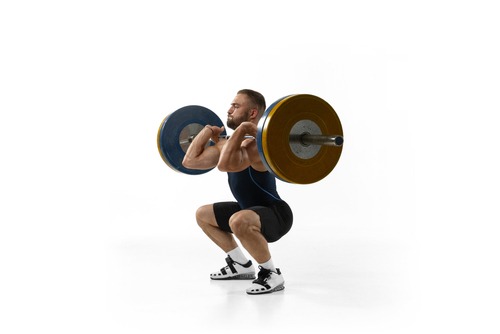
Introduction: The Foundation That Changes Everything
Your personal record might be impressive, but if your joints aren’t aligned properly, you’re building strength on a foundation of sand. Every competitive athlete faces this crossroads: chase heavier weights immediately or invest time in perfecting the mechanics that will carry them through decades of training.
Joint alignment is the difference between athletes who peak early and flame out and those who continue to set records well into their careers. The human body operates as an interconnected system where every joint position influences force production, injury risk, and long-term athletic potential.
When you prioritize proper positioning before adding load, you are not just preventing injury—you’re maximizing your body’s ability to generate power efficiently. Affiliate Disclosure: This post may contain affiliate links; I may receive a small commission if you purchase through them, at no additional cost to you.
The Science Behind Joint Alignment Supremacy
Why Alignment Dictates Athletic Success
Joint alignment forms the cornerstone of effective load management training because it determines how forces travel through your body during movement. When joints maintain their optimal positions, muscles fire in proper sequence, creating a kinetic chain that amplifies power output while distributing stress evenly across tissues.
Conversely, misaligned joints create compensation patterns that force smaller, weaker muscles to handle loads they weren’t designed to manage. This inefficient force distribution not only limits performance but also creates the perfect storm for acute injuries and chronic overuse conditions.
Research consistently demonstrates that athletes with superior joint positioning generate more force with less effort while maintaining healthier tissue quality over time.
The Neuromuscular Connection
Your nervous system constantly monitors joint position through specialized receptors called mechanoreceptors. These sensors provide real-time feedback on your body’s position in space, enabling precise muscle activation patterns. When joints drift from their optimal positions, this proprioceptive system becomes confused, leading to delayed or inappropriate muscle responses.
This neurological disruption explains why athletes often feel “off” during heavy lifts when their setup isn’t perfect. Your brain recognizes the misalignment and instinctively reduces power output to protect vulnerable structures.
Therefore, mastering joint alignment before increasing load actually trains your nervous system to maintain proper mechanics under progressively greater demands.
Neutral Positioning - Your Performance GPS
Defining True Neutral
Understanding neutral joint positions requires moving beyond generic cues to recognize your individual anatomical variations. True neutral represents the position where joints can handle the greatest loads with minimal stress while allowing optimal muscle function. This position varies between individuals based on bone structure, muscle length, and joint mobility patterns.
Rather than forcing your body into textbook positions, you must identify your personal neutral zones through careful assessment and movement exploration. This individualized approach acknowledges that effective joint alignment looks different for everyone while maintaining the same biomechanical principles.
Your neutral spine position might differ from another athlete’s, but both should allow for stable force transmission and pain-free movement.
The Stability-Mobility Balance
Each joint in your body falls somewhere on the stability-mobility spectrum, and this classification determines its alignment priorities during strength training. Mobile joints like your shoulders and hips require sufficient range of motion to achieve proper positioning, while stable joints like your knees and lower back need maintained integrity to transfer forces effectively.
This understanding guides your approach to joint alignment preparation. Mobile joints benefit from targeted mobility work to achieve proper positioning, while stable joints require strength and endurance training to maintain alignment under load.
Recognizing these different needs prevents you from applying mobility solutions to stability problems and vice versa.
The Big Four - Critical Joint Systems for Strength Athletes
Spinal Alignment: Your Central Command Center
Spinal alignment affects every movement pattern in strength training because your spine serves as the primary force-transmission pathway between upper- and lower-body segments. Maintaining proper spinal curves allows for optimal muscle activation while protecting delicate neural structures that control movement coordination.
The thoracic spine typically requires increased extension mobility to counteract modern posture patterns, while the lumbar spine needs stability training to resist unwanted flexion under heavy loads.
Your cervical spine must maintain its natural curve to ensure proper shoulder girdle positioning and avoid compensatory neck tension. These regional differences demand specific approaches to spinal alignment that address each area's unique requirements.
Hip Complex: The Power Generator
Hip alignment directly influences joint alignment, which in turn affects speed and agility, because this ball-and-socket joint serves as the primary power source for athletic movement. Proper hip positioning allows for optimal glute activation while maintaining healthy joint mechanics during dynamic activities.
Hip alignment challenges commonly stem from restricted hip flexor length, weakness in deep hip stabilizers, or inadequate glute activation. These issues create anterior pelvic tilt, internal rotation patterns, or compensatory lumbar movement, compromising both performance and joint health.
Addressing hip alignment requires a comprehensive approach that includes mobility restoration, stability training, and motor pattern reinforcement.
Shoulder Girdle: The Mobile Stability Platform
Shoulder alignment complexity stems from its role as both a mobile joint and a stable platform for upper-body power expression. The shoulder girdle must maintain proper positioning relative to the ribcage while allowing sufficient mobility for overhead movements and pressing patterns.
Common shoulder misalignments include forward head posture, rounded shoulders, and inadequate scapular control—issues that become magnified under heavy loads. These compensation patterns limit force production while increasing the risk of injury to vulnerable structures such as the rotator cuff and biceps tendon.
Proper shoulder alignment requires coordinated action between multiple muscle groups working in precise sequence.
Ankle and Foot Foundation
Ankle alignment influences the entire kinetic chain because foot position determines how ground reaction forces travel through your body during weight-bearing exercises. Adequate ankle mobility allows for proper squat depth and deadlift positioning while maintaining stable foot contact with the ground. Stretching techniques.
Ankle restrictions force compensatory movement patterns that typically manifest as knee valgus, hip internal rotation, or excessive lumbar flexion. These adaptations not only compromise lifting mechanics but also create the movement dysfunctions that limit athletic performance in speed and agility activities.
Therefore, addressing ankle alignment serves as a foundation for improvements in both strength and athletic performance.
Assessment Mastery - Becoming Your Own Movement Detective
Self-Assessment Strategies
Developing self-awareness of your joint positioning requires systematic assessment methods you can perform independently. Video analysis provides objective feedback about your movement patterns, allowing you to identify alignment deviations that might not be apparent through internal sensation alone.
Start by recording your major lifts from multiple angles, paying particular attention to how your joints behave under different loads.
Compare your positioning between warm-up sets and working sets to identify where breakdown occurs. This analysis reveals your specific weak links and guides your selection of corrective exercises.
Movement Screening Protocols
Regular movement screening helps you monitor alignment quality and identify developing issues before they become performance-limiting problems. Simple assessments like overhead squats, single-leg balances, and shoulder mobility tests provide valuable information about joint function and compensation patterns.
These screening protocols should become routine parts of your warm-up routine, serving as both assessment tools and preparation exercises.
Consistent screening allows you to track progress in alignment quality and identify days when additional corrective work may be necessary before heavy training.
Common Misalignment Patterns - The Performance Killers
The Forward Collapse Syndrome
Forward collapse represents one of the most common and destructive misalignment patterns in strength training. This pattern involves forward head posture, rounded shoulders, thoracic kyphosis, and compensatory lumbar extension, creating a cascading series of joint compromises.
This misalignment pattern severely limits overhead pressing capacity while increasing cervical spine stress and reducing core stability.
Athletes with forward collapse syndrome often experience plateaus in pressing movements and may develop chronic neck and upper back tension. Correcting this pattern requires comprehensive postural restoration that addresses both muscular imbalances and movement habits.
The Lower Cross Pattern
Lower cross syndrome combines weak glutes and deep abdominals with tight hip flexors and erector spinae, creating a characteristic pattern of anterior pelvic tilt and lumbar hyperextension. This misalignment severely compromises squat and deadlift mechanics while limiting hip mobility and core stability.
Athletes with lower cross patterns typically struggle with squat depth, experience lower back discomfort during deadlifts, and may develop chronic hip flexor tightness.
This pattern also limits athletic performance by reducing hip extension power and creating inefficient movement patterns during sprinting and jumping activities.
The Knee Valgus Cascade
Knee valgus (inward collapse) is a complex misalignment pattern that typically stems from hip weakness and ankle restrictions, manifesting as knee positioning problems. This pattern significantly increases the risk of ACL injury while limiting force production capacity during lower-body movements. Often, the adductors are the suspects when the knees cave inward.
The valgus pattern often becomes more pronounced as loads increase, indicating that the underlying hip and ankle issues become magnified under stress. Addressing this pattern requires comprehensive attention to the entire kinetic chain rather than focusing solely on knee positioning. Successful correction typically involves hip strengthening, ankle mobility restoration, and motor pattern retraining.
Progressive Load Integration - The Art of Intelligent Advancement
Establishing Movement Baselines
Before progressing the load, you must establish reliable movement baselines that demonstrate consistent joint alignment under submaximal demands. These baselines serve as reference points for determining readiness for load advancement and help prevent premature progression that could compromise technique.
Movement baselines should include specific criteria for each major lift, such as maintaining neutral spine throughout the full range of motion, achieving proper hip-hinge patterns, or demonstrating adequate shoulder mobility in overhead positions. Only when these criteria are consistently met should load progression be considered.
Load Progression Protocols
Intelligent load progression respects the relationship between joint alignment quality and external resistance. Rather than following predetermined percentage increases, your progression should be guided by your ability to maintain proper alignment as demands increase.
This approach might mean slower initial progress but results in more sustainable long-term development and reduced injury risk. Athletes who prioritize alignment during load progression typically experience fewer plateaus and maintain better movement quality throughout their careers.
The temporary patience required for proper progression pays dividends in long-term performance and joint health.
Speed and Agility Applications - Where Alignment Meets Athletics
How Joint Alignment Affects Speed and Agility
Joint alignment directly affects speed and agility, as proper positioning enables optimal force production and efficient energy transfer during dynamic movements. Athletes with superior alignment can generate more ground reaction force while maintaining better control during directional changes.
Misaligned joints create energy leaks and compensation patterns that reduce sprint speed and limit agility performance. For example, poor hip alignment might force reliance on smaller muscle groups during acceleration, while shoulder misalignment could compromise the efficiency of arm swing.
These seemingly small inefficiencies compound during high-speed activities, creating significant performance limitations.
Best Joint Mobility Drills for Speed Training
Effective mobility drills for speed training must address the specific joint requirements of sprinting and agility movements. Hip flexor stretches, thoracic spine extensions, and ankle dorsiflexion exercises form the foundation of speed-specific mobility work because these areas commonly limit sprint mechanics. Book for stretching.
Dynamic warm-up protocols that combine mobility restoration with movement preparation are most effective for speed-training applications. Exercises like leg swings, walking spiderman stretches, and dynamic hip circles address joint mobility while reinforcing proper movement patterns.
These drills should progress from static positions to dynamic movements that mirror the demands of your specific sport or activity.
Building Your Alignment Mastery Protocol
Daily Maintenance Strategies
Maintaining optimal joint alignment requires consistent daily attention rather than sporadic intensive efforts. Simple morning mobility routines, frequent posture breaks, and evening restoration work create a comprehensive approach that supports alignment quality throughout your training career.
Your daily protocol should address your individual weak links while maintaining overall joint health. This might include specific hip flexor stretches for athletes with lower cross patterns or thoracic mobility work for those with forward head posture.
Consistency in these daily practices creates cumulative improvements that support better training performance.
Long-term Development Planning
Long-term alignment mastery requires viewing joint positioning as a skill that improves with practice rather than a fixed attribute. This perspective encourages ongoing refinement and adaptation as your training demands change throughout different phases of athletic development. Training journal.
Plan your training phases to include specific alignment-emphasis periods in which technique refinement takes priority over load progression. These focused phases allow for deeper integration of proper movement patterns while preventing the drift toward compensation that often occurs during high-intensity training blocks.
Conclusion: Your Blueprint for Bulletproof Performance
Mastering joint alignment before increasing load is the most important investment you can make in your athletic career. Every minute spent perfecting your positioning pays dividends in performance improvement, injury prevention, and training longevity, all of which compound over years of consistent application.
The athletes who achieve the highest levels of success understand that true strength comes from the marriage of perfect technique and progressive overload. Your commitment to alignment mastery distinguishes you from those who chase numbers at the expense of movement quality. Start implementing these principles immediately—your future self will thank you for the patience and wisdom you demonstrate today.
Remember that mastery of joint alignment is a journey, not a destination. Continue refining your positioning, addressing weak links, and maintaining the movement quality that enables safe, effective progression throughout your athletic career.