Visit Innatefit1.com for exercise wear and equipment!!!

The Bar Doesn’t Lie: Why Your Bench Press Path Builds Strength or Breaks It
Bench press success is not just about weight. This guide explains how the bench press bar path improves strength, protects joints, boosts force transfer, and builds better long-term pressing technique.
SELF-HELPBEGINNERS FITNESS TIPSWORKOUTSCONFIDENCE BUILDINGFITNESS TIPSPOWERLIFTING TIPSSTRENGTH TRAININGMOTIVATION
Joseph Battle
4/26/202611 min read
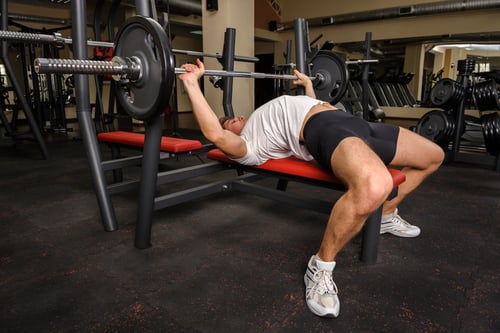
Strength on the bench is not just about moving more weight from point A to point B. It is about how cleanly, efficiently, and repeatedly you can move that weight with control. A big bench built on messy movement is like building a house on soft dirt. It might stand for a while, but it will not stay solid under pressure.
That is why the bench press bar path deserves far more attention than it usually gets. Most lifters judge a set by the load on the bar. However, the body judges the set by stress distribution, joint position, and force transfer. If the bar drifts, elbows flare wildly, or the shoulders lose position, the body pays the price. Moreover, progress often stalls long before strength potential runs out.
The truth is simple: why bench press form matters comes down to performance and durability. A good bar path helps you press with more power, spread force through the right tissues, and reduce unnecessary wear on the shoulders and elbows. In other words, smart pressing is not soft pressing. It is stronger pressing.
This article breaks down the science in plain English. First, it explains what a bar path is. Next, it shows how line control affects shoulder function, elbow tracking, and muscle recruitment. Then, it covers force transfer, common mistakes, and practical cues you can use right away. If your goal is how to bench press safely, press harder, and keep doing it for years, this is where the real work starts. Affiliate Disclosure: Some product links are affiliate links, and I may be compensated if you buy through them, at no extra cost to you.
The Invisible Road of the Lift — What Bar Path Really Means
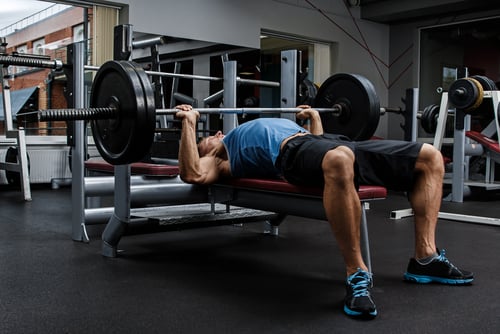
Bar path is the route the bar takes from the start of the rep, down to the chest, and back to lockout. That sounds basic, but it has huge consequences. The bar is not just moving through space. It is moving over joints, through force lines, and against gravity. Even a small change in that route can shift stress from the chest and triceps onto the shoulders and elbows.
A consistent bench press bar path means the bar travels in a repeatable pattern that matches your body structure and helps keep your joints organized. Notice the keyword there: organized. Good pressing is not random. It is a controlled sequence from setup to finish. If the bar wanders, the body has to make last-second adjustments. That usually means lost power and extra joint strain.
Furthermore, the bar path affects your confidence under the bar. A lift that feels smooth is often a lift where your body can predict the movement. Your nervous system likes repeatable patterns. It can recruit force more efficiently when the motion stays consistent. On the other hand, if every rep looks different, every rep asks your joints and muscles to solve a new problem.
This is also why bench press technique matters for longevity. Long-term pressing success depends on repeating high-quality movement patterns under load. Heavy weight is not the enemy. Sloppy repetition is. You do not need a perfect robot-style bench. You need a reliable path that fits your structure and keeps the lift stable.
Strength Starts Before the Descent — Setup Creates the Path
A bad bar path often begins before the bar even leaves the rack. If your upper back is loose, your feet are drifting, or your shoulders are not set, the bar has no stable highway to follow. It has to search for one. That is a terrible plan when gravity is involved, and your shoulders are taking the bill. Wrist protection.
First, think of the bench setup as your pressing foundation. The feet create lower-body stability. The glutes and upper back create tension in the body. The shoulder blades create a platform for the arms to press from. When these pieces are in place, the chest stays proud, the shoulders stay more secure, and the bar can move with less wasted motion.
Scapular position matters a lot here. In simple terms, the shoulder blades should stay pulled back and down enough to create a stable pressing surface. This helps limit excessive shoulder glide during the rep. It also helps put the chest in a better position to contribute to the lift. That is one reason proper bench press mechanics begin with the torso, not the hands.
In addition, setup affects where the bar should touch on the descent. Lifters who lose upper-back tension often touch too high, then press in a shaky line that sends the elbows out and the shoulders forward. By contrast, a solid setup usually makes the touchpoint more predictable. Predictable touchpoints create predictable force paths, and that is a major part of joint-friendly pressing.
Shoulder Mechanics Without the PhD Headache — Why Joint Position Changes Everything
The shoulder is incredibly mobile, which is great for throwing a ball and reaching overhead. It is less great when mobility turns into instability under a heavy barbell. During the bench press, the shoulder joint works best when it can create force from a centered, supported position. A poor bar path can pull it away from that position fast.
When the bar drops in a line that matches your structure, the upper arm can move through a safer and stronger range. This usually means the elbows are not jammed directly out to the sides and not pinned too tightly to the ribs either. For many lifters, a moderate elbow angle works well because it balances the contributions of the chest, shoulders, and triceps without overloading any one area. Anatomy varies, so the exact angle is not identical for everyone.
Excessive shoulder internal rotation is a common problem. That often shows up when the elbows flare hard, and the bar drifts too high on the chest. In that position, the front of the shoulder can take more stress than it needs to. Over time, repeated reps in poor alignment may increase irritation and reduce pressing consistency. That is one major reason why bench press form matters beyond the ego side of lifting. Guard the wrist.
Meanwhile, controlled shoulder positioning helps the bigger muscles do their job. The pecs can generate force more effectively when the relationship between the upper arm and torso remains organized. The anterior deltoid helps with pressing, but it should not be forced to rescue a bad line every rep. Smart pressing spreads the workload. Dumb pressing makes one joint do overtime.
Elbows, Forearms, and the Stacking Rule — Clean Lines Create Safer Pressing
If the bench press had a traffic cop, it would probably be your forearms. During much of the movement, the forearms should stay close to vertical when viewed from the front or side, depending on the phase of the lift. This helps direct force into the bar rather than leaking sideways. Think of it as stacking the wrist over the elbow, so the bar sits over the structure built to carry it. Elbow sleeve when benching heavy.
This is where many lifters struggle to keep their elbows aligned during the bench press. They focus on the bar alone and forget the arms are the supports under it. If the elbows drift too far out, the shoulders usually take more strain. If the elbows tuck too hard without purpose, the bar path may become too low and inefficient, making lockout harder and reducing chest involvement.
Elbow tracking should follow the bar path, and the bar path should respect your shoulder position. Those two things work together. A strong rep often looks like the elbows moving under the bar in a controlled way while the bar descends to a repeatable touchpoint. Then, on the way up, the elbows extend while the bar travels back into a stronger pressing line.
Also, wrist position matters more than people think. A bent-back wrist can shift the load away from a clean forearm stack, creating instability. Keep the wrists more neutral, the hands tight, and the bar sitting where force can travel efficiently through the arm. It is not glamorous advice, but neither is shoulder irritation.
Muscles Follow Mechanics — How Bar Path Changes Recruitment
Muscles do not work in isolation. T hey work according to joint position, tension, and leverage. In the bench press, your chest, triceps, front delts, upper back, and even leg drive all contribute. However, the amount each one contributes depends heavily on the bar’s path and the positions of the joints beneath it.
A cleaner path usually keeps the pec fibers under useful tension through the lowering phase and early press. If the bar drops under control and touches in the right zone, the chest can help reverse the load effectively. Then, as the bar rises and the elbows extend, the triceps take on a bigger role. That is a coordinated press. It is not one muscle doing all the work. It is a team project where nobody skips leg day. Elbow wraps.
On the other hand, a wandering path can scramble that sequence. If the bar touches too high, the shoulders may dominate more than necessary. If it sinks too low with poor control, the rep may become inefficient and mechanically awkward. Either way, force output suffers because the muscles are not being placed in the best positions to contribute.
This is another reason proper bench press mechanics improve both strength and comfort. Better mechanics help the right tissues take the right share of the load. They do not eliminate hard work. They simply make sure the hard work goes where it should. That is a much better investment than muscling through ugly reps and calling it grit.
Straight Force, Less Waste — Why Line Control Improves Bench Press Performance
Gravity pulls the bar straight down. Your job is to send force into the bar in a way that beats gravity with as little waste as possible. That is where line control becomes a performance tool, not just a safety concept. Why line control improves bench press performance comes down to one word: efficiency. Power the bar up.
Every unnecessary shift in the bar path creates a leak. If the bar moves too far forward or backward without purpose, some of your effort goes into correcting the path instead of driving the load up. That is energy you do not get back. Under heavy weight, small leaks become big problems. The lift slows, the positions break down, and the rep becomes a grind for the wrong reasons.
Force transfer works best when the body is tight, and the line of press stays consistent. Your feet press into the floor. That tension travels through the legs, hips, torso, upper back, arms, and finally into the bar. If one segment loses position, the transfer gets messy. A clean bar path helps keep that chain connected. It gives your force somewhere useful to go.
This is why advanced lifters often look smooth even when the bar is heavy. They are not just stronger. They are better at directing force. Their reps waste less motion. Their joints stay more organized. Their technique does not fight the bar. It guides it. For anyone serious about progress, that is the difference between lifting hard and lifting smart.
The Usual Suspects — Common Bar Path Errors and What They Cost You
Several bar path mistakes keep showing up. First is the wandering descent. The bar starts over the shoulders, then drifts around like it lost the map. This usually comes from weak setup tension, poor touchpoint awareness, or a lack of control during the lowering phase. The result is inconsistency, missed reps, and unnecessary stress on the arms and shoulders.
Second is the high touch with flared elbows. This pattern often places the shoulders in a less friendly position, especially under fatigue. It may also reduce your ability to use the chest effectively from the bottom. In many cases, the bar then shoots backward or stalls halfway up because the path was poor from the start.
Third is over-tucking the elbows. Some lifters hear that flaring is bad and respond by tucking so hard the lift turns into a strange hybrid of bench press and close-grip survival test. This can reduce chest contribution, alter the touchpoint too much, and create a path that is harder to finish. Extremes on either side usually create more problems than they solve.
Fourth is losing the shoulder blades during the rep. If the chest collapses and the shoulders roll forward, the pressing platform disappears. The bar path often changes instantly, and not in a good way. This is a major threat to safe bench pressing because control drops as the joints become less supported.
Finally, there is the bounce-and-pray strategy. Relying on a wild rebound off the chest may hide poor mechanics for a while, but it does not build sustainable strength. It reduces control at the very moment joint positions matter most. Strong pressing should look deliberate, not like the bar is trying to escape.
From Unrack to Lockout — Practical Principles You Can Use Today
Good technique should be usable, not just impressive on paper. So here are practical principles that support joint-friendly pressing from setup to finish. These are not magic tricks. They are repeatable habits that improve line control.
Setup Cues
Plant the feet and keep them active.
Pin the upper back to the bench.
Set the shoulder blades back and down enough to create a stable base.
Grip the bar hard and keep wrists stacked over forearms.
Unrack the bar without losing upper-back tension.
These steps matter because the descent usually reflects the quality of the setup. If the body is loose before the rep starts, the path will often be loose too. Tight body, cleaner line. Simple, not easy.
Descent Cues
Lower the bar with control, not fear.
Aim for a repeatable touchpoint around the lower chest or sternum area, depending on your build.
Keep the elbows in a natural, moderate angle relative to the torso.
Maintain forearm stacking as much as possible.
This is the phase where many lifters rush. Do not. The lowering phase organizes the pressing phase. If you throw the bar down, the body must guess how to reverse it. Good reps do not guess.
Pressing Cues
Press back and up in a smooth, controlled line.
Keep the chest up and upper back tight.
Let the elbows extend under the bar rather than flaring wildly.
Finish with a strong lockout, but do not lose shoulder position to get there.
These cues support bench press technique for longevity by building a repeatable pattern under load. They also answer a big part of the question of how to keep elbows aligned on the bench press: align the whole system first, and then the elbows have a better chance of behaving.
Longevity Is a Performance Skill — Stronger for More Than One Training Cycle
Too many lifters think safety and performance are opposites. They are not. Smart mechanics are performance enhancers. If your joints tolerate training better, you can train more consistently. If you train more consistently, you build more strength over time. That is not caution. That is a strategy.
The bench press rewards repetition, but only when the repetition is high quality. You do not need a textbook-perfect path that looks identical to someone else’s. You need your strongest, most repeatable path within sound biomechanical principles. That means respecting your limb length, shoulder structure, grip width, and comfort while still applying the principles of organization and control.
So when asking why bench press form matters, think beyond today’s top set. Think about six months from now. Think about whether your shoulders still feel supported, whether your elbows still track cleanly, and whether your strength is still rising instead of stalling. Longevity is not a backup goal. It is the goal if you want real progress.
And yes, technique work can feel less exciting than adding plates. But the bar always tells the truth. If your path is clean, your body usually responds with better force, better consistency, and fewer ugly surprises. That is a trade worth taking every time.
Conclusion: Press With Precision, Stay Strong Longer
A stronger bench is not built by load alone. It is built by load applied through a repeatable, efficient, joint-conscious movement pattern. That is the heart of proper bench press mechanics. A consistent bench press bar path keeps the shoulders in a stronger position, helps the elbows track more effectively, improves muscle recruitment, and reduces wasted motion.
In addition, line control improves the transfer of force from the floor to the bar. That means more of your effort goes into pressing, and less goes into fixing mistakes mid-rep. If your goal is to bench press safely, perform better, and keep pressing for years, technique is not optional. It is the foundation.
Most of all, why line control improves bench press performance is clear: the body produces better results when the movement is organized. Better organization means better pressing. Better pressing means more progress with less unnecessary wear. That is how real strength lasts.
Closing Call-to-Action
Prioritize line control on your next bench session. Film your sets, tighten your setup, clean up your descent, and press with purpose. Do not just move the bar. Guide it. Your shoulders, elbows, and future strength numbers will appreciate the professionalism.