Visit Innatefit1.com for exercise wear and equipment!!!

The 7 Best Carbohydrates for Lifters to Gain Size Without Feeling Sluggish
Master the 7 best carbohydrates for muscle gain that fuel your lifts without energy crashes. Discover the best carbs for bulking, when to eat them, and how they support training performance and recovery for serious lifters.
SELF-HELPBEGINNERS FITNESS TIPSWORKOUTSNUTRITION AND RECOVERYHYPERTROPHYSTRENGTH TRAININGHEALTH
Joseph Battle
6/20/202613 min read


Introduction: Why Your Carb Choices Matter More Than You Think
I know you have probably experienced it: you demolish a massive plate of white rice before hitting the gym, and halfway through your workout, you feel like you are moving through molasses. Your energy crashes, your muscles feel flat, and suddenly that ambitious training session turns into a sluggish grind. The problem is not carbohydrates themselves—it’s just that you’re making carb choices that work against your body instead of with it.
Here’s what most lifters get wrong. They assume all carbs fuel performance equally, so they grab whatever’s convenient: white bread, sugary cereals, or processed grains that spike your blood sugar fast and drop it just as hard.
This metabolic roller coaster leaves you depleted, mentally foggy, and unable to train with the intensity your muscles need to grow. The truth is that strategic carbohydrate selection can be the difference between crushing your goals and feeling mediocre in the gym.
The good news? You don’t have to abandon carbs to feel sharp and perform at your best. Instead, you need to understand which carbohydrates support sustained energy, stable blood sugar, and actual muscle growth.
This article breaks down the seven best carbohydrates for lifters—the ones that fuel your workouts, support recovery, and help you gain size without the brain fog or energy crashes. Furthermore, these aren’t exotic superfoods; they are practical, affordable options you can find at any grocery store and prepare in minutes.
Oats: The Steadfast Foundation of Stable Energy
Oats stand as one of the most reliable bulking foods in any serious lifter’s arsenal. Unlike many grain options, oats provide a unique combination of complex carbohydrates, soluble fiber, and micronutrients that create a metabolic environment perfect for sustained performance and muscle growth. When you are in the phase of building size, consistency matters more than perfection, and oats deliver that consistency meal after meal.
The nutritional profile of oats explains why they perform so well for athletes. A cup of cooked oats contains approximately 54 grams of carbohydrates, 8 grams of protein, and 8 grams of fiber—that fiber being the secret ingredient that most lifters overlook. The soluble fiber in oats slows gastric emptying, which means your blood sugar rises gradually rather than spiking violently.
This steady glucose release fuels your brain and muscles without triggering the insulin crash that leaves you exhausted by your third exercise. Additionally, oats contain micronutrients like manganese, phosphorus, and magnesium—minerals essential for muscle contraction and energy production at the cellular level.
Timing matters when you’re strategically using oats for performance. Consume oats approximately 60 to 90 minutes before your training session, giving your body enough time to digest them into available glucose without sitting heavy in your stomach. This pre-workout window allows the carbohydrates to enter your bloodstream right when your muscles are primed to use them.
Alternatively, include oats in your post-workout meal to replenish muscle glycogen and support the recovery process. The protein-carbohydrate combination in oats (especially when prepared with milk or added protein powder) creates an environment where your muscles can begin rebuilding after the training stimulus.
For muscle growth, oats contribute in multiple ways. The carbohydrates spike insulin—an anabolic hormone that drives amino acids into muscle tissue. The fiber supports digestive health and nutrient absorption, ensuring that every other food you eat gets processed efficiently. Moreover, the steady energy from oats means you can maintain the workout intensity required to trigger genuine muscle adaptation.
A practical serving suggestion: prepare one cup of dry oats (which becomes roughly 2.5 to 3 cups cooked) mixed with water or milk, add a banana or berries for additional carbohydrates, and finish with a scoop of protein powder. This single meal provides approximately 100 grams of quality carbohydrates plus substantial protein—exactly what your muscles need post-workout.
Sweet Potatoes: The Nutrient-Dense Carbohydrate Powerhouse
Sweet potatoes transcend the typical category of “just another carb source.” These root vegetables represent some of the best carbohydrates for muscle gain because they combine muscle-fueling carbohydrates with a vitamin and mineral profile that most grains simply cannot match. When your goal is gaining size without feeling sluggish, sweet potatoes become an essential component of your nutritional strategy.
The nutritional composition of a medium sweet potato (approximately 100 grams cooked) includes roughly 21 grams of carbohydrates, 3.6 grams of fiber, significant amounts of vitamin A (beta-carotene), potassium, manganese, and vitamin C. This micronutrient density matters because recovery should not just be about carbohydrates and protein—it’s about the cofactors that allow your body to synthesize new muscle tissue efficiently.
The potassium content becomes particularly relevant for lifters, as this mineral supports proper muscle function, nerve transmission, and cardiovascular health during intense training sessions. Furthermore, the moderate glycemic index of sweet potatoes means you get sustained energy release without the blood sugar volatility that causes afternoon crashes.
The best carbs for lifting performance often have a timing component, and sweet potatoes shine in post-workout scenarios. After you have depleted your muscle glycogen through resistance training, your muscles enter a hyperresponsive state where they rapidly absorb and store glucose.
A medium sweet potato consumed within two hours post-workout fits perfectly into this recovery window. The carbohydrates replenish depleted glycogen stores while the micronutrients support inflammatory resolution and repair processes. This combination accelerates your readiness for the next training session—essentially compressing your recovery timeline so you can train harder more frequently.
How to gain size without feeling sluggish involves understanding that some carbohydrate sources support energy stability better than others. Sweet potatoes achieve this through their fiber content and nutrient density. Rather than causing the lethargy associated with simple carbs, sweet potatoes provide the raw materials your body needs to convert food into usable energy efficiently.
A practical approach: roast one medium sweet potato until tender, slice it, and consume it with your post-workout meal containing lean protein and a small amount of healthy fat. This serving provides approximately 20-25 grams of carbohydrates in a form that your digestive system processes cleanly, supporting both immediate recovery and sustained energy for the hours following your workout.
White Rice: The Underrated Post-Workout Carbohydrate
White rice often receives criticism in fitness circles, dismissed as “empty calories” by coaches who may have never bothered to understand its actual role in sports nutrition. However, white rice serves a specific, science-backed purpose that makes it invaluable for lifters pursuing muscle growth. The key lies in recognizing when to use it and why.
The nutritional profile of white rice is straightforward: one cup of cooked white rice contains approximately 45 grams of carbohydrates, minimal fiber, and negligible fat or protein. This might sound unremarkable until you understand the context. The low fiber content and simple carbohydrate structure mean white rice digests rapidly and spikes insulin efficiently—which is exactly what you want immediately after a heavy training session. Your muscles are depleted, your blood sugar is low, and your body is primed to absorb glucose quickly. White rice delivers that glucose without the bulk of fiber that might cause bloating or digestive discomfort when you are recovering from an intense leg workout.
The glycemic index of white rice is actually advantageous post-workout. While a high glycemic index is problematic before training (it causes energy crashes), it becomes beneficial after training when you want rapid glucose uptake into muscle tissue. This is where best carbohydrates for muscle gain sometimes contradicts conventional nutrition wisdom.
The speed at which white rice raises blood glucose actually accelerates the recovery process by quickly restoring depleted glycogen stores and triggering an insulin response that drives amino acids into muscle tissue. Combined with protein, white rice creates an anabolic environment optimal for muscle growth.
Timing is absolutely critical with white rice. Consume it within 30 to 60 minutes post-workout when your muscles are most insulin-sensitive. Pair it with a protein source—chicken, fish, lean ground beef, or a protein shake—to ensure you’re providing the amino acids your body needs to rebuild muscle tissue.
The white rice provides the carbohydrate-driven insulin spike and rapid glycogen replenishment, while protein handles the structural rebuilding. A practical serving suggestion: one to two cups of cooked white rice with four to six ounces of lean protein creates a complete recovery meal that supports the metabolic environment your muscles need to grow. Skip the white rice before training, but embrace it strategically after to support optimal muscle growth and recovery.
Bananas: The Portable Carbohydrate Solution
Bananas stand out as best carbs for bulking foods because they combine nutrient density with unparalleled convenience. Unlike most other carbohydrate sources, bananas require no preparation, are portable, and deliver a complete nutritional package that supports both pre-workout energy and post-workout recovery. This accessibility makes them invaluable for lifters whose lives don’t revolve around meal-prepping in a kitchen.
A medium banana contains approximately 27 grams of carbohydrates, 3.1 grams of fiber, and notable amounts of potassium, vitamin B6, and vitamin C. The potassium deserves particular attention for lifters. This mineral plays a critical role in muscle function, heart health, and electrolyte balance—all compromised during intense training.
The carbohydrate-to-fiber ratio in bananas creates a moderate glycemic response, meaning you get sustained energy release without sharp blood sugar spikes. Additionally, bananas contain resistant starch (especially when slightly underripe), which behaves more like fiber than simple sugar, further supporting stable energy levels.
The versatility of bananas makes them valuable across multiple timing windows. Consume a banana 30 to 60 minutes before your workout for accessible pre-workout carbohydrates without causing digestive distress. The easily digestible carbs provide ready fuel, while the potassium supports muscle contractions and cardiovascular function during your training session.
Alternatively, eat a banana immediately post-workout with a protein source to replenish glycogen and support recovery. You can even incorporate bananas into post-workout smoothies with protein powder and oats, creating a complete recovery meal in under 60 seconds of preparation time.
For muscle growth specifically, bananas contribute by providing the carbohydrate component of the post-workout anabolic window while delivering supporting micronutrients that enhance recovery processes. The potassium helps reduce muscle soreness, the vitamin B6 supports amino acid metabolism, and the vitamin C acts as an antioxidant to reduce exercise-induced inflammation.
This multi-faceted contribution explains why bananas consistently appear in the nutrition plans of serious athletes. A practical approach: keep bananas at your gym and consume one immediately before or after your workout, paired with a protein source. The simplicity of this strategy makes compliance trivial—you will actually follow through, which matters far more than a theoretically perfect meal you never actually eat.
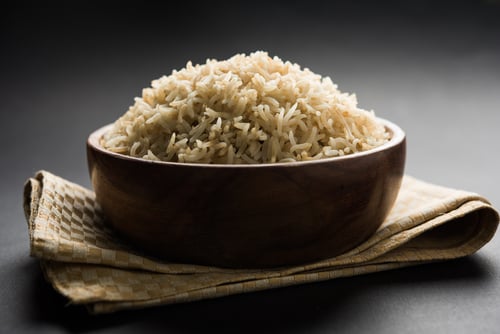
Brown Rice: The Balanced Bulking Option
Brown rice occupies an often-overlooked middle ground between white rice and other complex carbohydrate sources, making it exceptional for lifters who want the best carbohydrates for muscle gain without the digestive heaviness of oats. This whole grain provides the sustained energy needed for training while maintaining the micronutrient density that supports recovery and overall health. Understanding when and how to use brown rice properly transforms it from “just another carb” into a strategic nutritional tool.
The nutritional profile of brown rice is superior to white rice in several meaningful ways. One cup of cooked brown rice provides approximately 45 grams of carbohydrates, but it includes 3.5 grams of fiber, making it a true whole grain. This whole grain structure also means brown rice retains the bran and germ, where vitamins and minerals concentrate.
You get manganese, phosphorus, magnesium, B vitamins, and selenium—nutrients essential for energy metabolism, bone health, and exercise recovery. The combination of carbohydrates and micronutrients makes brown rice a balanced bulking option that supports training performance without requiring supplementary micronutrient support.
Brown rice digests more slowly than white rice, making it superior for pre-workout and general meal consumption rather than post-workout recovery. Consume brown rice in meals 2 to 3 hours before training, allowing adequate time for digestion while providing sustained energy throughout your workout.
This slower digestion means you maintain stable blood glucose during your training session—no energy crashes, no mental fog, just consistent fuel for performing at your best. Additionally, brown rice works exceptionally well as a staple carbohydrate source at any meal when bulking and building muscle. The fiber content supports satiety, the carbohydrates drive energy, and the micronutrient profile supports every recovery process happening inside your body.
The muscle-building contribution of brown rice extends beyond simple carbohydrate provision. The fiber supports gut health and nutrient absorption, ensuring that every protein, vitamin, and mineral you consume actually gets utilized by your body. The sustained energy from brown rice means you maintain consistent training intensity across all your sets and exercises—precisely what’s required to trigger muscle growth.
A practical serving suggestion: prepare brown rice in bulk (it keeps well for several days), and consume 1 to 1.5 cups with your meals containing lean protein and vegetables. This creates balanced, nutrient-dense meals that support bulking without the heavy, sluggish feeling. Brown rice becomes the foundation of consistent, sustainable nutrition that drives genuine muscle growth over weeks and months.
Legumes (Lentils and Chickpeas): The Protein-Carbohydrate Hybrid
Legumes represent a unique nutritional category that bridges the gap between carbohydrate and protein sources, making them invaluable for lifters seeking the best carbohydrates for muscle gain without excessive food volume. Unlike grain-based carbohydrates, legumes provide substantial protein content alongside carbohydrates, creating a more complete nutritional package with fewer additional foods required. This dual-function capability makes legumes particularly valuable for lifters building muscle while managing body composition.
Lentils deserve special attention in any discussion of muscle-building carbohydrates. One cup of cooked lentils contains approximately 40 grams of carbohydrates and an impressive 18 grams of protein—an amino acid profile including all essential amino acids. Additionally, lentils provide 15.6 grams of fiber, making them exceptional for digestive health and stable blood sugar.
The micronutrient profile includes iron (important for oxygen transport and muscle function), folate (essential for cell division), and polyphenols (powerful antioxidants supporting recovery). Chickpeas offer similar benefits with slightly different micronutrient emphasis, containing around 35 grams of carbohydrates, 15 grams of protein, and 10 grams of fiber per cooked cup.
The unique aspect of legumes is that they function simultaneously as carbohydrate and protein sources, reducing the complexity of meal planning. Rather than combining rice with chicken breast, you can build a meal around lentils or chickpeas that inherently provides both macronutrients.
This becomes particularly valuable when managing calories during a bulk—legumes deliver more nutritional value per calorie than grain-based carbohydrate sources alone. Furthermore, the high fiber content supports satiety and digestive health, preventing the constipation issues that sometimes plague lifters consuming high-protein diets.
For training performance and recovery, legumes shine in post-workout meals where they provide carbohydrates to replenish glycogen and protein to support muscle protein synthesis. However, the fiber content means legumes digest more slowly than processed white rice, making them less ideal as immediate post-workout nutrition for someone seeking rapid recovery.
Instead, incorporate legumes into meals eaten within 2 to 3 hours post-workout, or use them as general carbohydrate staples throughout your diet. A practical approach: prepare a large batch of lentil-based dal or chickpea curry, and consume it with grilled lean protein and vegetables. This meal provides complete carbohydrates and protein in a preparation that keeps well and supports consistent bulking nutrition throughout your week.
Quinoa: The Complete Grain Carbohydrate
Quinoa deserves inclusion among the best carbohydrates for lifting performance because it uniquely combines the carbohydrate density of grains with the amino acid completeness typically reserved for animal proteins. This makes it particularly valuable for lifters who incorporate plant-based proteins or who simply want another tool in their nutritional toolkit. Understanding quinoa’s unique properties allows you to use it strategically to support muscle growth and training performance.
One cup of cooked quinoa provides approximately 39 grams of carbohydrates, 8 grams of protein, and 5 grams of fiber. The protein in quinoa is special because it contains all nine essential amino acids in meaningful quantities—a rare trait among plant-based carbohydrate sources. This complete amino acid profile means quinoa alone can partially support muscle protein synthesis, not just provide carbohydrates.
Additionally, quinoa delivers significant amounts of manganese, magnesium, phosphorus, and folate—minerals critical for energy production and muscle function. The glycemic index of quinoa sits in the moderate range, meaning you get sustained energy without the blood sugar spikes of refined carbohydrates.
The best carbs for bulking foods should support training performance while preventing the sluggish feeling from poor carbohydrate choices, and quinoa achieves both objectives. Consume quinoa 90 to 120 minutes before training as a pre-workout carbohydrate source that provides sustained energy without digestive heaviness. The amino acids begin amino acid mobilization, the carbohydrates fuel your training, and the micronutrients support all metabolic processes happening during exercise.
Post-workout, quinoa works equally well, providing carbohydrates for glycogen replenishment and amino acids for muscle protein synthesis. Unlike grains that require additional protein pairing, quinoa can be your sole carbohydrate source at a recovery meal since it contributes meaningfully to your daily protein intake.
For muscle growth, quinoa’s complete amino acid profile distinguishes it from standard grain-based carbohydrates. You are not just getting glucose and glycogen replenishment—but the building blocks for actual muscle tissue repair and growth. The micronutrient density supports recovery processes that happen away from the gym. Practical implementation: prepare one to two cups of cooked quinoa and combine it with roasted vegetables and a lean protein source (chicken, fish, or tofu).
This creates a balanced meal that maximizes nutrient density and supports your training goals. Alternatively, incorporate quinoa into post-workout smoothie bowls topped with protein powder, fruit, and nuts for a complete recovery meal prepared in minutes.
Strategic Implementation: Timing, Quantities, and Individual Tolerance
Understanding individual carbohydrate sources matters less than implementing them strategically based on training phase, body composition goals, and personal tolerance. The framework that guides implementation is straightforward: faster-digesting carbohydrates serve you best immediately pre and post-workout, while slower-digesting whole grains function better for general meal consumption. However, personal digestive tolerance varies significantly, requiring experimentation to identify what works best for your unique physiology.
The following matrix provides strategic guidance for carbohydrate implementation:
Pre-Workout Carbohydrates (60-90 minutes before training):
Oats with banana and berries
Sweet potato
Brown rice with lean protein
Quinoa with vegetables
Banana with almond butter
Post-Workout Carbohydrates (immediately to 30 minutes after training):
White rice with lean protein
Banana with protein shake
Simple carbohydrate sources allowing rapid digestion and glycogen replenishment
General Meals (any time throughout day):
Oats
Sweet potatoes
Brown rice
Legumes
Quinoa
Your total daily carbohydrate needs depend on body weight, training volume, and body composition goals. A practical baseline for lifters focused on muscle gain sits between 3 to 5 grams per pound of body weight daily—a 180-pound lifter would consume 540 to 900 grams daily, split across 5 to 7 meals. These carbohydrates should come primarily from the sources outlined above, with processed carbohydrates representing minimal portions of total intake.
However, individual tolerance varies dramatically; some lifters thrive on higher carbohydrate quantities while others perform better with moderate amounts. Track your energy levels, training performance, and body composition changes over 4-week blocks, adjusting carbohydrate quantity and source distribution based on observed results.
Conclusion: Strategic Carbohydrates Support Ambitious Training Goals
The struggle of feeling sluggish from carbohydrate consumption isn’t a sign that carbs don’t belong in your diet—it’s a sign that you are making carbohydrate choices that work against your body rather than with it. The seven carbohydrate sources outlined here—oats, sweet potatoes, white rice, bananas, brown rice, legumes, and quinoa—represent science-backed options that fuel training performance, support recovery, and accelerate muscle growth without the energy crashes and brain fog associated with poor carb choices.
Implementing strategic carbohydrate selection transforms your training experience. You should feel consistently energized during workouts, recover faster between sessions, and build muscle at an accelerated rate because your body has the metabolic environment it needs to adapt to training stimulus. The process requires minimal complexity: match faster-digesting carbs to your pre and post-workout windows, use slower-digesting whole grains and legumes for general meal consumption, and experiment enough to identify your personal tolerance.
Your ambition to build an impressive physique demands that you fuel it appropriately. These carbohydrate sources provide exactly that fuel. Start implementing them immediately, track your training performance and recovery quality over the next four weeks, and adjust based on observed results. The difference between feeling sluggish and feeling powerful often hinges on a single decision: choosing carbohydrate sources that support your training rather than sabotage it. Make that choice today, and watch your training performance and muscle growth accelerate accordingly.