Visit Innatefit1.com for exercise wear and equipment!!!
Squat Shoes for Beginners: Your First Step Toward Safer, Stronger Barbell Training
New to squats and deadlifts? The right shoes for deadlifting and squats can improve your form, prevent injuries, and help you lift heavier. Learn why squat shoes for beginners, Olympic lifting shoes for squats, and barefoot shoes for deadlifting matter—and how to choose the best pair for your training. Start lifting smarter today!
SELF-HELPWORKOUTSBEGINNERS FITNESS TIPSPERSONAL DEVELOPMENTFITNESS TIPSSTRENGTH TRAININGEQUIPMENT SUGGESTIONSPOWERLIFTING TIPS
Joseph Battle
12/13/20256 min read
Introduction: Why the Right Shoes Can Make or Break Your Lifts
Stepping into the gym for the first time with a barbell in hand is exciting—but also a little intimidating. You’ve watched videos, read guides, and maybe even practiced the movement with just the bar. But one thing most beginners overlook? Their shoes.
The wrong footwear can turn a solid squat or deadlift into a wobbly, unstable mess. That’s where shoes for deadlifting and squats come in. Whether you're squatting deep or pulling heavy off the floor, the right pair can improve your form, protect your joints, and help you lift more weight safely. In this guide, we’ll break down why squat shoes for beginners matter, how Olympic lifting shoes for squats help you stay upright, and why barefoot shoes for deadlifting might be the secret to a stronger pull. By the end, you’ll know exactly what to look for—and what to avoid—when choosing your first pair of lifting shoes.
The Essential Role of Squat Shoes for Beginners: More Than Just Footwear
When you’re new to lifting, every little detail counts. Your grip, your breathing, your stance—all of it matters. But one of the most overlooked factors? The shoes on your feet.
Most beginners show up in running shoes, thinking any athletic footwear will do. But here’s the problem: running shoes are designed for forward motion, not stability under load. They have thick, cushioned soles that compress when you squat or deadlift, making it harder to maintain balance. Imagine trying to stand on a mattress while holding a heavy barbell—that’s essentially what you’re doing in running shoes.
Squat shoes for beginners, on the other hand, are built for lifting. They have a firm, non-compressible sole that keeps you grounded, so you can push through your heels without wobbling. This stability isn’t just about comfort—it’s about safety. A stable base means less strain on your knees, hips, and lower back, reducing the risk of injury as you build strength. Plus, the right shoes help you feel the movement better, so you can make adjustments to your form early on.
But not all lifting shoes are the same. Some are designed specifically for squats, while others are better for deadlifts. Understanding the difference will help you choose the right pair for your training—and that’s exactly what we’ll cover next.
Why Shoes for Deadlifting and Squats Matter in Building Foundational Strength
Strength training isn’t just about moving weight—it’s about controlling it. And control starts from the ground up. The shoes you wear play a huge role in how well you can stabilize your body under a loaded barbell.
When you squat, your feet are the only part of your body in contact with the ground. If your shoes are too soft or unstable, your knees might cave in, your heels might lift, or your lower back might round—all of which can lead to bad habits (or worse, injuries). Shoes for deadlifting and squats are designed to prevent this by giving you a solid, flat base.
For squats, Olympic lifting shoes (which we’ll dive into next) have an elevated heel that helps you stay upright, especially if you have tight ankles or hips. For deadlifts, barefoot shoes (or flat-soled lifting shoes) keep you closer to the ground, improving your connection to the floor and making it easier to engage your glutes and hamstrings.
But why does this matter for beginners? Because the habits you form early on stick with you. If you learn to squat with unstable shoes, you’ll have to unlearn bad mechanics later. Investing in the proper footwear from the start sets you up for long-term success—helping you lift heavier, move better, and stay injury-free as you progress.
How Olympic Lifting Shoes for Squats Assist Beginners With Upright Squat Patterns
If you’ve ever struggled to keep your chest up during a squat, you’re not alone. Many beginners lean too far forward, putting unnecessary strain on their lower back. This usually happens because of limited ankle mobility or tight hips—but the right shoes can help.
Olympic lifting shoes for squats have a raised heel (usually 0.5 to 1 inch) that tilts your foot slightly forward. This minor adjustment does two things:
Improves Ankle Mobility – A raised heel reduces the demand on your ankles, allowing you to squat deeper without your heels lifting off the ground.
Encourages an Upright Torso – When your heels are elevated, your knees can travel forward more easily, keeping your chest up and your spine in a safer position.
For beginners, this is a game-changer. Instead of fighting against your body’s limitations, these shoes work with your mechanics, helping you achieve a more natural, controlled squat. Over time, this can even improve your mobility, making it easier to squat without the heel lift.
But Olympic lifting shoes aren’t just for squats—they’re also great for overhead presses and front squats. However, they’re not ideal for deadlifts (which we’ll cover next). The key is knowing when to use them—and when to switch to something else.
How Barefoot Shoes for Deadlifting Strengthen Foot Stability and Grip
Deadlifts are all about connection—your feet gripping the floor, your hamstrings and glutes firing, and your spine staying neutral. The last thing you want is a thick, cushioned sole getting in the way.
That’s where barefoot shoes for deadlifting come in. These shoes (or sometimes just flat-soled lifting shoes) keep you as close to the ground as possible, mimicking the natural position of your feet. Here’s why that matters:
Better Force Transfer – When you pull the bar off the floor, you want all your power going into the lift—not wasted on a squishy sole. Barefoot-style shoes ensure that every ounce of energy is directed into the movement.
Stronger Foot Engagement – Without thick cushioning, your feet have to work harder to stabilize your body. This strengthens the small muscles in your feet and ankles, improving balance and control over time.
Improved Grip – A flat, thin sole lets you feel the floor, making it easier to push through your heels and maintain a solid base.
For beginners, this means fewer missed reps due to slipping or losing balance. It also helps reinforce proper deadlift mechanics—keeping your weight in your heels, your back flat, and your hips driving the movement.
But barefoot shoes aren’t just for deadlifts. They’re also great for exercises like Romanian deadlifts, kettlebell swings, and even some squat variations (like box squats). The key is choosing a pair with a completely flat sole—no heel lift, no extra cushioning.
Choosing Lifters That Support Your Growth From Novice to Intermediate
Now that you know the difference between Olympic lifting shoes for squats and barefoot shoes for deadlifting, how do you pick the right pair for you?
First, consider your training style. If you’re focusing on squats, front squats, or overhead presses, Olympic lifting shoes with a raised heel are a great choice. Look for a pair with a firm, non-compressible sole and a secure strap to keep your foot locked in.
If deadlifts are your priority, barefoot-style shoes (or flat-soled lifting shoes) will give you the best connection to the floor. Some lifters even prefer going completely barefoot (if the gym allows it) or wearing socks for deadlifts.
But what if you do both? Many lifters rotate between two pairs—one for squats and one for deadlifts. Others opt for a hybrid shoe, such as a flat-soled lifting shoe with a slight heel drop (about 4mm). The best choice depends on your budget, training frequency, and personal preference.
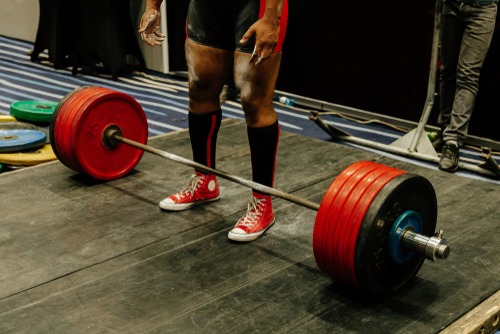
For beginners, versatility’s also worth considering. If you’re starting, you might not want to invest in two pairs of shoes right away. In that case, a flat-soled lifting shoe (like the Converse Chuck Taylors or a dedicated deadlift shoe) can work for both squats and deadlifts—though you might sacrifice some squat depth compared to Olympic shoes.
Finally, don’t forget about fit. Lifting shoes should be snug but not tight, with enough room in the toe box to wiggle your toes. A secure fit prevents your foot from sliding inside the shoe, which can throw off your balance.
Conclusion: Step Into Stronger Lifts With the Right Shoes
Your shoes might seem like a small detail, but in strength training, the little things add up. The right shoes for deadlifting and squats can improve your form, protect your joints, and help you lift more weight safely—whether you're a beginner or an experienced lifter.
If you’re starting, squat shoes for beginners (like Olympic lifting shoes) can help you achieve a deeper, more upright squat. Meanwhile, barefoot shoes for deadlifting will keep you connected to the floor, improving your pull and foot strength.
The best part? You don’t have to break the bank to get a good pair. Start with one versatile shoe (like a flat-soled lifter) and upgrade as your training evolves. The key is to start strong—because the habits you build now will shape your lifting journey for years to come.
Now, lace up (or strap in) and get lifting—your strongest self is waiting.