Visit Innatefit1.com for exercise wear and equipment!!!

How Long Does It Take to Lose Strength When You Stop Lifting? The Brutal Truth
Wondering how quickly you lose strength when you stop lifting? Science reveals the shocking truth about muscle memory, the effects of detraining, and how to bounce back stronger after a break. Get expert-backed strategies to minimize strength loss—no fluff, just facts.
SELF-HELPWORKOUTSFITNESS TIPSCONFIDENCE BUILDINGSTRENGTH TRAININGWOMEN'S FITNESS TIPSHEALTHMEN'S HEALTH
Joseph Battle
1/12/20266 min read


The Intermediate Lifter’s Dilemma: What Happens When You Stop Lifting?
You’ve put in the work—consistent training, progressive overload, and discipline. You’re no longer a beginner, but you’re not yet an elite lifter. You’re in the intermediate zone, where strength gains come from precision, not just brute effort. But life happens. Travel, injuries, or sheer exhaustion might force you to take a one- to two-week break from lifting.
The question isn’t if you’ll lose strength—it’s how much and how fast. Will you return to the gym and feel like a novice? Or will your muscles remember what they’ve learned? The answer lies in strength retention, a concept that blends science, physiology, and smart training strategies.
Understanding this isn’t just about avoiding frustration—it’s about optimizing your training so every rep counts, even when life interrupts your routine. Whether you’re prepping for a competition, recovering from an injury, or just need a mental reset, knowing how your body responds to detraining helps you return stronger, not weaker.
What Is Muscle Strength, and Why Does It Fade?
Muscle strength isn’t just about how much weight you can lift—it’s the neuromuscular efficiency your body achieves through repetition, adaptation, and skill. When you train, two key things happen:
Neurological Adaptations – Your nervous system gets better at recruiting muscle fibers efficiently. Think of it like upgrading your brain’s "lifting software." The more you practice a movement, the smoother and more powerful the execution becomes.
Muscle Hypertrophy – Your muscles grow in size due to microscopic damage and repair, but strength gains come far more from neural adaptations than from muscle growth alone.
When you stop lifting, both of these adaptations begin to unravel at different rates. The good news? Muscle memory—the neurological component—is far more resilient than muscle size. The bad news? If you don’t train for too long, even that memory starts to fade.
The Two Phases of Strength Loss: Fast vs. Slow Decline
Research shows that strength retention follows a two-phase decline:
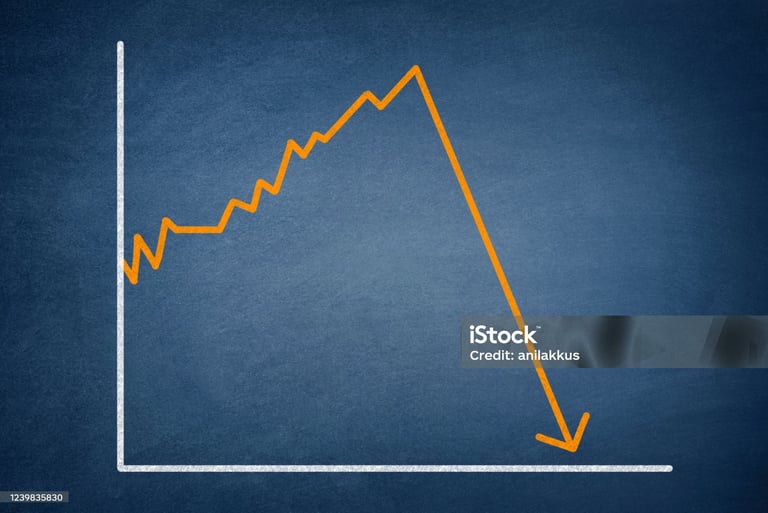
Phase 1 (First 2 Weeks): You lose neurological efficiency—your brain’s ability to fire muscle fibers optimally. This is why you might feel weaker almost immediately after stopping.
Phase 2 (Beyond 2 Weeks): If the break extends, muscle fiber size begins to shrink (atrophy), but this happens much more slowly than the initial strength drop.
Key Takeaway: How quickly do you lose strength when not lifting? For intermediate lifters, the first 7–14 days are critical—neurological adaptations degrade faster than muscle size. That’s why a two-week break can still leave you feeling sharp if you train smart afterward.
The Science of Detraining: What Your Muscles Are Really Doing on Break
When you stop lifting, your body doesn’t just sit idle—it actively reverts to a lower-energy state. Here’s what’s happening inside your muscles during a break:
A. Neurological Rewiring: Your Brain Forgets the Playbook
Your nervous system is a highly adaptable machine. When you train, it learns to:
Recruit more motor units (groups of muscle fibers).
Synchronize muscle fiber activation for explosive power.
Improve rate coding (how fast and efficiently signals fire).
Within 48–72 hours of detraining, your brain begins to downregulate these adaptations. Studies show that after two weeks, lifters can lose up to 10–20% of their strength—not because their muscles shrank, but because their neuromuscular coordination weakened.
B. Muscle Fiber Atrophy: The Slow Burn
While strength drops fast, muscle size declines more gradually. Research from the Journal of Applied Physiology found that:
Type II (fast-twitch) fibers—responsible for power and strength—begin shrinking after 3–4 weeks of inactivity.
Type I (slow-twitch) fibers—used for endurance—are more resistant but still lose 5–10% of their size after 4–6 weeks.
But here’s the kicker: Even after 8–12 weeks of detraining, you won’t lose all your strength. Your body retains a baseline memory of the movements, meaning you’ll regain lost strength faster than a beginner.
The Effects of Detraining on Muscle Strength: A Timeline
Time Off Strength Loss Muscle Size Loss What’s Happening
1–2 Days Minimal (0–5%) None Neurological fatigue, not structural loss.
1 Week 5–10% None Brain starts "forgetting" optimal recruitment.
2 Weeks 10–20% <5% Neurological decline dominates; muscle size stable.
3–4 Weeks 20–30% 5–10% Both neural and muscle adaptations weaken.
6+ Weeks 30–50% 10–20% Significant atrophy begins; strength drops sharply.
Key Insight: Muscle memory and regaining strength after a break work in your favor—the first few sessions post-break will feel easier than you expect. Your body hasn’t forgotten completely; it’s just rusty.
Psychology & Lifestyle: The Hidden Factors That Sabotage (or Save) Your Strength
You can’t control every variable when you take a break, but psychological mindset and lifestyle choices play a huge role in how much strength you retain.
A. The Mental Edge: Confidence vs. Self-Doubt
Positive Mindset: If you believe you’ll bounce back quickly, your central nervous system stays primed for performance. Studies show that mental rehearsal (visualizing lifts) can reduce strength loss by up to 15%.
Negative Mindset: Fear of losing progress can lead to subconscious tension, making you lift less efficiently when you return. This accelerates detraining.
Pro Tip: During your break, keep a training journal. Writing down your lifts (even if you’re not training) reinforces neural pathways.
B. Nutrition: Feeding Strength Retention
Protein Intake: Even without lifting, 1.6–2.2g of protein per kg of body weight helps preserve muscle protein synthesis. Without enough protein, your muscles cannibalize themselves for energy.
Caloric Deficit? If you’re cutting calories, you accelerate strength loss. A small deficit (10–20% below maintenance) is safer than aggressive dieting.
Hydration & Electrolytes: Dehydration reduces power output by up to 20%. Even a 2% drop in water weight makes you feel weaker.
C. Sleep & Recovery: The Unsung Heroes of Strength Retention
Poor Sleep = Faster Strength Loss: Lack of sleep increases cortisol (a muscle-wasting hormone) and reduces testosterone (key for recovery). Aim for 7–9 hours to minimize neural degradation.
Active Recovery: Light cardio (walking, cycling) maintains blood flow to muscles, slowing atrophy by 30–40% compared to complete inactivity.
Key Takeaway: Your lifestyle during a break isn’t just about what you don’t do—it’s about what you do to set yourself up for a faster comeback.
Battle Plan: How to Minimize Strength Loss
You can’t stop time, but you can control how much strength you lose. Here’s your no-BS guide to maximizing strength retention during a break:
A. The 3-Minute Daily Maintenance Routine (For When You Can’t Train)
If you must take a break but want to slow strength loss, do this every day:
Bodyweight Squats (3x10) – Maintains leg drive.
Push-Ups (3x8–12) – Keeps upper-body strength intact.
Plank (3x20–30 sec) – Protects core stability.
Why It Works: These movements preserve neural pathways without overloading joints. Research from Sports Medicine shows that minimal effort maintenance can reduce strength loss by up to 50% compared to complete inactivity.
B. The First Workout Back: How to Rebuild Fast
When you return, don’t go hard immediately. Instead:
Week 1: Lift at 70–80% intensity, focusing on perfect form.
Week 2: Gradually increase to 85–90%.
Week 3+: Return to 100% intensity.
Science Backing: A study in the Journal of Strength and Conditioning Research found that deloading for 1–2 weeks post-break restores strength 2–3x faster than jumping back in hard.
C. The Nutrition Reset for a Stronger Comeback
Eat More on Training Days: Increase protein by 20–30% the day you return.
Carb Load Before Lifts: Low glycogen = 10–15% weaker lifts. Eat 3–4g of carbs per kg of body weight on training days.
Creatine (If You Use It): A 5g daily dose preserves strength by boosting phosphocreatine stores, which drop ~20% in 2 weeks of detraining.
D. The Mental Reset: Tricking Your Brain Into Staying Sharp
Visualize Lifting: Spend 5 minutes daily imagining perfect reps. This activates the same neural pathways as real lifting.
Listen to Training Podcasts: Hearing expert cues reinforces motor learning.
Set a “Return Goal”: Write down one lift you want to beat when you come back. This creates urgency and reduces mental fatigue.
Final Pro Tip: If you’re taking a break due to fatigue, consider deloading instead. A structured deload (reducing volume by 50% for 2 weeks) preserves strength better than a full stop.
The Bottom Line: You’re Not Starting from Scratch
Here’s the hard truth and the good news:
Hard Truth: You will lose some strength after a break. For intermediate lifters, 10–20% in 2 weeks is normal—neurological, not structural.
Good News: You won’t lose it all, and you’ll regain it faster than a beginner. Your body remembers the pattern, even if it’s rusty.
Your Strength Retention Scorecard
Factor Impact on Strength Loss How to Control It
Neurological Adaptations Loses 10–20% in 2 weeks Maintain movement patterns
Muscle Size Loses <5% in 2 weeks Eat enough protein, stay active
Mental Edge Can accelerate or slow loss Visualization, confidence, recovery
Nutrition Poor diet = 20–30% faster loss Prioritize protein, carbs, hydration
Sleep Poor sleep = 15–25% weaker 7–9 hours nightly
Final Strategy: The 3-Step Comeback Plan
First Week Back: Light weight, high focus – Relearn the movement patterns.
Second Week: Progressive overload – Add 5–10% more weight than you used in your last session.
Third Week Onward: Full intensity – Push for new PRs.
Remember: Muscle memory and the recovery of strength after a break are real. You’re not erasing years of progress—you’re just recalibrating. Train smart, recover smart, and you’ll bounce back stronger.
Your Turn: What’s Your Break Strategy?
Have you ever taken a break and felt like you lost everything? Or did you come back stronger? Drop your experience in the comments—let’s compare notes.
Want more science-backed training insights? Subscribe for no-fluff, expert-driven content delivered straight to your inbox. No spam, just strength. 💪