Visit Innatefit1.com for exercise wear and equipment!!!
How Beginners Can Eat During the Summer Without Losing Hard-Earned Muscle
Learn how smaller meals, protein-rich foods, smoothies, and planned snacking prevent muscle loss while keeping eating manageable.
WOMEN'S HEALTHBEGINNERS FITNESS TIPSWORKOUTSMEN'S HEALTHCONFIDENCE BUILDINGFITNESS TIPSSTRENGTH TRAININGHEALTHHEALTHY LIFESTYLE
Joseph Battle
6/16/202613 min read


Introduction: Summer Heat Meets Muscle-Building Goals
Summer arrives with sunshine, longer days, and temperatures that make you want to do nothing but sit by a pool with an ice-cold drink. However, this season also brings a challenge that catches many beginners off guard: the heat genuinely reduces your appetite. When you’re building muscle, appetite suppression becomes your enemy. Your body needs consistent fuel to maintain the strength you’ve worked hard to develop, yet the summer heat creates a disconnect between what your body needs and what you actually want to eat.
The reality is straightforward: hot weather changes everything about how you approach nutrition. Your appetite dips, your energy feels lower, and suddenly that chicken breast you normally devour without thinking feels impossible to finish.
This physiological response is not weakness or laziness—it’s your body’s natural reaction to heat. Your digestive system works harder when temperatures rise, and your body prioritizes cooling itself over digestion. Meanwhile, your muscles still require adequate protein, carbohydrates, and calories to maintain the gains you have built through consistent training.
This article walks you through practical strategies that help you maintain muscle mass throughout the summer months without relying on willpower alone. You will understand why summer heat affects your appetite, how to restructure your eating patterns for hot weather, and which foods make nutrition feel effortless rather than forced. By implementing these strategies, you keep your hard-earned muscle intact while actually enjoying your summer instead of fighting constant hunger signals. Affiliate Disclosure: This post contains links to products for which, if you make a purchase, I will receive a commission.
Understanding Why Summer Heat Suppresses Your Appetite
The Science Behind Heat and Hunger
Your body maintains a core temperature between 98.2 and 99.5 degrees Fahrenheit. When external temperatures climb, your body expends significant energy attempting to cool itself. This cooling process involves blood vessel dilation, increased sweating, and metabolic adjustments that divert resources away from the digestive system.
Additionally, heat triggers the release of certain hormones that naturally suppress your appetite, making you feel less hungry even though your muscles still require substantial fuel.
The mechanism works like this: when your body detects rising temperatures, it prioritizes thermoregulation—the process of maintaining stable internal temperature. Your digestive system works through a process called thermogenesis, which actually generates heat as your body breaks down and processes food.
During summer, your body essentially says, “Why would I create more heat when I’m already struggling to cool down?” This physiological adaptation made perfect sense for our ancestors in genuinely dangerous heat, but today it simply interferes with your nutrition goals.
How This Impacts Muscle Maintenance
Muscle maintenance requires what nutrition experts call “protein balance.” Your body constantly breaks down and rebuilds muscle protein. Building muscle requires consuming more protein than your body breaks down. Maintaining muscle requires consuming roughly the same amount of protein that your body breaks down.
When summer heat reduces your appetite, you typically eat less protein and fewer total calories. Your body, operating in a caloric deficit, begins to use muscle tissue for fuel. This process happens gradually, but it happens. After several weeks of undereating during hot months, beginners frequently notice decreased strength, flatter muscles, and lost progress.
The danger increases because beginners often underestimate how much food they need. Beginners typically lack a clear sense of their caloric needs or protein targets. Combined with summer’s appetite suppression, this creates a perfect storm for muscle loss. You train hard, expect your muscles to grow or stay the same, but actually provide your body with insufficient fuel. Your muscles atrophy in response, leaving you frustrated and discouraged.
Restructuring Your Approach to Summer Nutrition for Beginner Lifters
From Three Large Meals to Multiple Smaller Meals
The traditional three-meals-per-day structure does not work well for summer nutrition. That approach requires consuming large quantities in a single sitting, which feels impossible when the heat has suppressed your appetite. Instead, shift toward five to six smaller meals distributed throughout your day.
This approach accomplishes several things simultaneously: it prevents the overwhelming feeling of consuming large amounts, spreads protein intake evenly throughout your day, and makes it feel manageable to hit your nutritional targets rather than impossible.
Think of this strategy as “grazing” rather than “feasting.” Each meal becomes roughly 300-500 calories instead of 800-1,000. Your stomach never feels stuffed. Your digestive system processes smaller amounts of food more efficiently when it’s hot.
You get consistent energy rather than the blood sugar spikes and crashes that large meals create. Most importantly, you hit your total caloric and protein targets without forcing yourself to eat enormous quantities at any single meal.
The Temperature and Texture Strategy
Cold or cool foods naturally feel more appealing during hot weather than warm foods. This isn’t just preference—your body actually responds more positively to temperature variety. Foods served at room temperature or cold require less digestive effort than hot foods, and they align with your body’s desire for internal cooling. Your goal becomes building every single meal and snack around this reality rather than fighting against it.
The texture matters equally. Heavier, dense foods feel more difficult to eat when you’re overheated. Lighter, airier textures slide down more easily and create less discomfort. Creamy foods like yogurt feel more tolerable than dense whole-grain breads. Smoothies feel more manageable than chunks of chicken. This does not mean avoiding whole foods—it means presenting them in formats that work with your body’s heat response rather than against it.
Building Every Meal Around Protein: Your Foundation for Maintenance
Why Protein Becomes Your Anchor
Protein serves as the structural component of muscle tissue. Without adequate protein, your body cannot maintain muscle regardless of other factors. During summer, protein becomes even more critical because it’s the single most satiating macronutrient.
Protein triggers fullness signals more effectively than carbohydrates or fats. When appetite suppression is already working against you, building meals around protein helps you feel satisfied despite eating smaller portions overall.
The specific target for most beginners attempting to maintain muscle ranges from 0.8 to 1.0 grams of protein per pound of body weight. For someone weighing 150 pounds, this means consuming 120-150 grams of protein daily.
During the summer, achieving this target with three large meals is nearly impossible for most people. Spreading this protein across five to six meals means hitting roughly 20-25 grams of protein per meal. This feels completely manageable and aligns with smaller portion sizes.
Protein-Rich Foods That Work in Summer Heat
The best summer protein sources share common characteristics: they taste good cold, they come in convenient portions, and they don’t require complex preparation. Greek yogurt provides 15-20 grams of protein per serving and tastes refreshing in hot weather. Cottage cheese offers similar protein levels and works brilliantly in cold preparations.
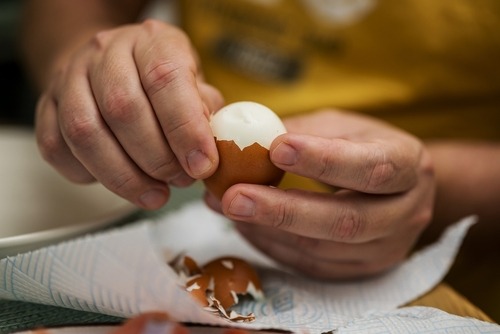
Canned tuna and salmon require literally zero preparation—open the can and eat. Hard-boiled eggs provide complete protein in portable, shelf-stable packages. Turkey and chicken breast can be prepared in batches and eaten cold throughout the week.
Consider also unconventional sources that work particularly well for summer nutrition. Protein powder mixes seamlessly into smoothies, cold beverages, and yogurt preparations. String cheese provides protein without requiring refrigeration for extended periods. Delicatessen turkey and roast beef serve as quick protein sources for sandwiches.
Milk, whether regular or Greek yogurt-based, hydrates while simultaneously contributing protein. The key lies in building a diverse list of protein sources you actually enjoy eating cold, because if summer protein sources taste boring or unappealing, you simply will not eat enough.
Smoothies and Beverages: Making Calories Drinkable
The Smoothie Solution for Summer Hydration and Nutrition
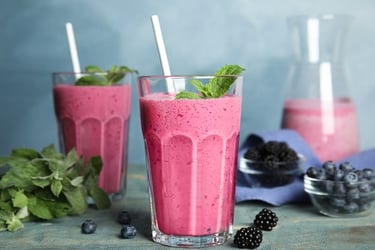
Smoothies represent perhaps the single best tool for summer muscle maintenance. They accomplish multiple objectives simultaneously: they hydrate your body, deliver substantial calories and protein, feel light and refreshing despite being calorie-dense, and require minimal appetite suppression.
A quality smoothie containing 25-30 grams of protein, carbohydrates from fruit, and healthy fats hits significant nutritional targets while tasting like a treat rather than medicine.
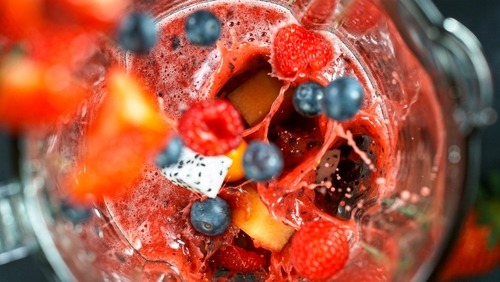
A basic summer smoothie formula works consistently: start with a cold liquid base (milk, almond milk, or coconut water), add a protein source (Greek yogurt, protein powder, or cottage cheese), include a carbohydrate source (frozen fruit, banana, or oats), and add a healthy fat if desired (nut butter, seeds, or coconut milk).
This combination creates a complete meal in a drinkable format. The frozen fruit additionally keeps your smoothie cold, making it refreshing on hot days. You can consume the smoothie while relaxing rather than sitting down to forced eating.
Other Beverage Strategies for Summer Nutrition
Beyond smoothies, other beverages contribute meaningfully to your nutrition during summer. Milk itself, often overlooked, delivers complete protein alongside carbohydrates and electrolytes. A simple glass of cold milk is a legitimate snack, providing 8 grams of protein.
Chocolate milk, specifically, provides quick carbohydrates and protein—making it genuinely useful immediately after training when your body needs refueling. Protein shakes, simpler than smoothies, mix quickly and deliver pure protein without requiring fresh ingredients.
Consider also adding electrolyte beverages specifically during and after training. During the summer, you lose significant amounts of water and minerals through sweat. Electrolyte drinks help you rehydrate more effectively than plain water alone, allowing your digestive system to absorb and retain water better.
Additionally, the carbohydrates in many electrolyte drinks provide training fuel, making them functional rather than just hydrating. This is particularly useful immediately after workouts when your appetite may still be suppressed, but your body desperately needs carbohydrates for recovery.
Cold Protein-Rich Foods: Building Your Summer Meal Arsenal
Yogurt Bowls: Complete Meals in a Single Bowl
Greek yogurt serves as the foundation for customizable meals that combine protein, carbohydrates, and micronutrients in a light, refreshing format. A typical Greek yogurt bowl starts with 150-200 grams of Greek yogurt (providing 15-20 grams of protein), is topped with granola or nuts for carbohydrates and crunch, includes fresh berries for additional carbohydrates and antioxidants, and is perhaps drizzled with honey for quick carbohydrates.
This combination creates a complete meal, providing 30-40 grams of carbohydrates, 15-20 grams of protein, healthy fats, and micronutrients—all in a format that feels like eating dessert rather than a full meal.
The beauty of yogurt bowls lies in their flexibility. You can prepare them in seconds using readily available ingredients. You can customize them based on what sounds appealing on any given day. Some days you might want granola and honey; other days you might prefer nuts and coconut.
The constant—the protein-rich yogurt base—remains, ensuring you consistently hit protein targets. Additionally, yogurt bowls require no heating or cooking, making them perfect when even the thought of turning on the kitchen stove feels unbearable in hot weather.
Sandwich and Wrap Solutions
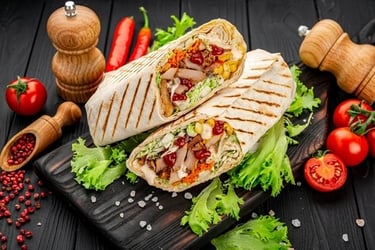
Cold sandwiches and wraps provide straightforward ways to build complete meals that taste satisfying without feeling heavy. The key lies in building them properly around protein sources. Start with quality deli turkey, roast beef, or canned tuna as your protein foundation. Layer in lettuce, tomato, cucumber, and other vegetables for carbohydrates, fiber, and micronutrients.
Add a light spread like mustard, hummus, or Greek yogurt-based dressing. Use whole-grain bread or wraps for additional carbohydrates and fiber. This construction delivers protein, carbohydrates, vegetables, and flavors—all in a format that tastes good cold and feels lighter than warm sandwiches.
The preparation advantage cannot be overstated. Making several sandwiches in advance and refrigerating them provides grab-and-eat options throughout your week. You don't need to decide what to eat when your appetite is suppressed, and heat has drained your motivation. The food already exists, ready to consume. During summer, this convenience factor often determines whether you actually eat enough to maintain muscle or drift into undereating by default.
Cold Protein Dishes: Prepared Proteins for Easy Consumption
Preparing larger batches of protein sources and consuming them cold throughout the week represents a fundamental summer nutrition strategy. Grilled chicken breast, for example, tastes fine cold and provides substantial protein in convenient portions. Cook a batch, refrigerate it, and eat it directly from the container or add it to any other meal.
Similarly, ground turkey can be cooked with seasonings, cooled, and portioned into containers. Canned fish varieties like tuna, salmon, and sardines require zero preparation and deliver complete protein. Hard-boiled eggs stay fresh for a week and provide portable protein.
The strategy removes decision-making and preparation requirements, both of which become burdensome during hot months. You simply grab the prepared protein and eat it. You add it to salads, sandwiches, yogurt bowls, or eat it directly. The form does not matter nearly as much as the consistent consumption. When summer heat already suppresses appetite, removing barriers to preparation makes the difference between adequate nutrition and gradual muscle loss.
Strategic Carbohydrate Timing: Fueling Training Without Overeating
Carbohydrates Around Training Windows
Carbohydrates serve two critical functions in muscle maintenance: they provide energy for training, and they facilitate protein absorption and muscle recovery. During summer, strategic carbohydrate timing becomes especially important because it allows you to consume carbohydrates when your appetite and digestive capacity are highest—during and immediately after training—rather than spreading them across meals, when suppressed appetite makes them difficult to consume.
Consume carbohydrates immediately before training—roughly 20-30 grams of simple carbohydrates gives your muscles glycogen (their preferred fuel source) for excellent performance. Immediately after training, consume an additional 30-50 grams of carbohydrates alongside your protein.
Your muscles are primed to absorb and store these carbohydrates during this window, and your appetite typically returns post-training. This timing means you can consume substantial amounts of carbohydrates when your body is most receptive, reducing the burden of spreading them across meals, during which appetite suppression makes them difficult to consume.
Carbohydrate Sources That Work for Summer Eating
The best summer carbohydrate sources tend toward lighter options that feel less heavy during hot weather. Fruits provide carbohydrates, fiber, water, and micronutrients. Bananas provide quick carbohydrates in convenient packages. Berries offer carbohydrates with lower caloric density due to high water content.
Dried fruits like raisins concentrate carbohydrates into small portions. White rice, pasta, and bread digest more easily in the heat than dense whole-grain varieties. Honey and other simple carbohydrate sources mix easily into drinks and yogurt.
Additionally, carbohydrate-rich foods with high water content—melons, oranges, grapes—serve dual purposes: they provide carbohydrates while helping with hydration. During summer, hydration becomes increasingly important as you lose water through sweat. Consuming water-rich carbohydrate sources helps you maintain hydration while hitting carbohydrate targets. This approach feels particularly efficient because you are accomplishing multiple nutritional goals simultaneously through a single food choice.
Planned Snacking: Removing Friction from Nutrition
The Strategic Snack List
Planned snacking removes the decision-making burden that suppresses eating during summer. Instead of wondering what to eat between meals, you maintain a consistent list of prepared snacks you know you enjoy.
These snacks follow a consistent formula: they provide 150-300 calories, include 10-15 grams of protein, include carbohydrates, and require zero preparation. Examples include Greek yogurt with granola, string cheese with fruit, hard-boiled eggs with crackers, nuts with dried fruit, protein bars, and cottage cheese with pineapple.
Preparing snacks in advance—portioning nuts into containers, preparing yogurt bowls, boiling eggs, arranging fruit and cheese plates—removes every barrier between you and adequate nutrition. When 3 PM hits and your appetite is suppressed by the heat, you don’t need to decide what to eat or muster the motivation to prepare something.
The snack exists, ready to consume in two minutes. This seemingly minor convenience factor directly determines whether you maintain muscle or lose it. In summer, convenience often determines nutritional success more than knowledge or motivation.
Portable Snack Options for Active Summer Days
Beginners maintaining training routines during summer need snacks that work outside controlled environments. Trail mix combinations—nuts, dried fruit, and dark chocolate—provide calories and carbohydrates in fully portable packages. Protein bars offer similar portability alongside complete nutritional profiles.
String cheese requires no refrigeration during moderate periods. Peanut butter packets pair with crackers or fruit for complete snacks. Whole fruits like bananas and apples need no preparation and can travel anywhere.
The key distinction in summer planning involves preparing snacks that survive heat without refrigeration for extended periods. Unlike cooler seasons when you can pack a lunch and forget it, summer requires attention to food stability. Nuts, dried fruits, and whole fruits stay stable.
Protein bars generally stay stable. Canned fish and hard-boiled eggs remain safe for hours. Yogurt and cottage cheese require coolers. Understanding these distinctions helps prevent food safety issues and ensures you always have ready options.
Avoiding the Restriction Trap: Eating Light Without Undereating
The Calorie Question: How Much Is Enough?
The central challenge of summer nutrition involves eating lightly (because heat reduces appetite) without undereating to the point of muscle loss. This requires understanding your basic caloric needs. For beginners, a simple formula works: multiply your body weight by 14-16 to estimate daily calories needed for maintenance. Someone weighing 150 pounds needs approximately 2,100-2,400 calories daily for maintenance. This number increases with training intensity and frequency.
The mistake beginners frequently make involves tracking light eating without realizing how insufficient their intake has become. When you eat smaller meals and lighter foods, calories become easy to undercount. A smoothie, a yogurt bowl, a sandwich, and an apple might feel like adequate eating, but total only 1,400-1,600 calories.
You are losing roughly 500-1,000 calories per day relative to your maintenance needs, creating a deficit that will absolutely cause muscle loss over weeks and months. The solution involves tracking intake initially to understand how much food actually constitutes adequate nutrition, then using that knowledge to eat intuitively.
Appetite Signals Versus Nutritional Needs
During summer, you cannot rely on hunger signals to determine adequate nutrition. Your hunger mechanism lies suppressed by heat. Instead, you must eat according to planned targets rather than appetite. This doesn’t mean forcing yourself to eat uncomfortable amounts of food—it means eating planned meals and snacks at scheduled times rather than waiting until you are feeling hungry. Most beginners find they feel hungry once they start eating, even if they weren’t hungry beforehand. The key lies in beginning meals and snacks even when hunger does not signal the need.
Think of this approach as “eating on schedule rather than by hunger.” Your body needs consistent fuel for training and muscle maintenance, regardless of whether summer heat currently suppresses hunger signals.
By eating planned meals and snacks at consistent times, you bypass the broken appetite signaling and ensure adequate intake. After several days of consistent eating, your appetite typically normalizes, making subsequent eating feel more natural. The initial discipline creates conditions for natural hunger to return.
Conclusion: Maintaining Muscle Through Summer Heat
Summer heat presents a genuine challenge to muscle maintenance, but it’s an entirely manageable challenge when you understand the mechanisms and implement appropriate strategies. The problem is not that complex: heat suppresses appetite, suppressed appetite creates undereating, and undereating causes muscle loss.
The solution isn’t equally complex: eat smaller, cold meals more frequently, build meals around protein sources, use beverages for calorie and nutrient delivery, and plan snacks to remove decision-making barriers.
The strategies outlined throughout this article—smoothies, yogurt bowls, cold proteins, smaller meals, and planned snacking—work because they align nutrition with summer’s realities rather than fighting against them.
You should not force yourself to eat large, hot meals when it feels impossible in the heat. You are not relying on hunger signals that summer has disrupted. You are implementing systems that make adequate nutrition feel effortless and natural despite the challenges of summer.
Begin by calculating your caloric and protein needs using the formulas provided earlier. Then implement one strategy at a time: add smoothies this week, prepare yogurt bowls next week, plan snacks the following week. This gradual approach prevents overwhelm while building sustainable habits. Track your intake for several weeks to understand what adequate nutrition actually looks like, then use that knowledge to guide future eating.
Your hard-earned muscle represents the results of consistent training and nutrition discipline. Summer doesn’t need to erase those gains. By understanding the mechanisms of appetite suppression and implementing practical strategies suited to summer conditions, you can maintain muscle, preserve strength, and genuinely enjoy your summer instead of battling constant frustration.
Start this week. Choose one summer nutrition strategy that excites you most and implement it immediately. Your future self—the one maintaining muscle while enjoying summer—will thank you for taking action today.