Visit Innatefit1.com for exercise wear and equipment!!!

Crush Your Deadlift PRs: Effective Core Workouts for Lifters
Enhance your deadlift performance with core workouts designed for lifters. Build a stronger foundation to push past your personal bests
SELF-HELPBEGINNERS FITNESS TIPSWORKOUTSFITNESS TIPSSTRENGTH TRAININGPOWERLIFTING TIPSEQUIPMENT SUGGESTIONS
Joseph Battle
12/6/20258 min read
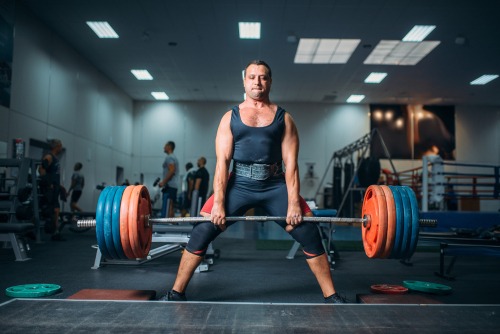
Understanding the Deadlift
When it comes to building strength and improving athletic performance, few exercises rival the deadlift. Understanding the mechanics and benefits of this powerhouse move is essential for anyone looking to elevate their strength training game.
Affiliate Disclaimer: This article may include affiliate links to fitness and wellness products, including supplements, workout gear, home exercise equipment, and related tools. If you decide to purchase through one of these links, I may earn a small commission—at no extra cost to you. I only recommend products that I find genuinely useful, practical, and aligned with a healthier lifestyle.
Anatomy of the Deadlift
At its core, the deadlift is a compound movement that targets multiple muscle groups, making it a comprehensive exercise. The primary muscles engaged include:
Hamstrings: Crucial for hip extension.
Glutes: Major players for power during the lift.
Lower Back (Erector Spinae): Provides stability and support.
Core: Engaged for balance and injury prevention.
Visualizing proper form is key. Executing the deadlift involves standing with feet hip-width apart, gripping the barbell, and maintaining a neutral spine throughout the lift's phases.
Benefits of Deadlifts
Deadlifts offer a plethora of benefits:
Strength Building: It enhances overall strength, vital for both athletes and fitness enthusiasts.
Functional Movement: Mimics everyday activities to promote functional fitness.
Core Strength: Engaging the core helps stabilize the spine and reduce injury risk.
Hormonal Balance: Engaging large muscle groups can increase testosterone and growth hormone levels.
I remember when I first incorporated deadlifts into my routine; not only did I see a boost in my lifting capabilities, but my posture improved significantly, too!
Common Deadlift Variations
To keep your training dynamic and challenging, consider these variations:
Sumo Deadlift: A wider stance that emphasizes the inner thighs.
Romanian Deadlift: Focuses on the hamstrings and glutes.
Trap Bar Deadlift: Provides a neutral grip, making it beginner-friendly.
Including these variations can help target different muscle groups and prevent workout stagnation. Each variation has its unique advantages, allowing for a customized approach to increasing strength and enhancing deadlift performance.
Importance of Core Strength for Deadlifting
While many focus on their legs and back during deadlifts, the often-overlooked hero of this lift is the core. Understanding its role is crucial to maximizing performance and preventing injury.
Role of the Core in Deadlifts
The core serves as the foundation for almost every lift, and deadlifts are no exception. A strong core stabilizes the spine and pelvis, allowing for powerful hip extension without risking injury. Key functions of the core in deadlifts include:
Stability: It helps maintain proper alignment, ensuring the lift is performed safely and effectively.
Force Transfer: A robust core facilitates efficient transfer of force from the lower body to the upper body.
Injury Prevention: A strong core reduces strain on the lower back, promotes better posture, and minimizes the risk of injury.
I still recall the first time I truly engaged my core during a deadlift— my form improved dramatically, and the weight felt lighter!
Core Stability vs. Core Strength
It's essential to make a distinction between core stability and core strength:
Core Stability: Refers to the ability to maintain optimal body position during movement. Think of it as your body’s balance mechanism.
Core Strength: Represents the ability of your core muscles to exert force. It focuses more on how much weight you can handle.
Prioritizing both aspects will enhance your deadlift performance, leading to greater progress and better safety. Balancing these elements ensures that you're not just strong but also stable, paving the way for lifting success.
Practical Core Exercises for Deadlifts
Building a strong core is essential for improving deadlift performance, and targeted exercises can effectively strengthen this area. Incorporating a variety of core workouts into your routine will not only support your lifts but also contribute to overall fitness. Medicine Ball.
Planks and Variations
Planks are a fantastic foundation for core strength. They engage multiple muscle groups while enhancing stability. Here are a few variations to consider:
Standard Plank: Hold a plank position on your forearms and toes, maintaining a straight line from head to heels.
Side Plank: Engage obliques by balancing on one hand and the side of one foot, lifting your hips off the ground.
Plank with Shoulder Taps: While in a plank position, alternate tapping your shoulders. This not only strengthens the core but also challenges stability.
I remember how a couple of minutes of these planks left me feeling like I had a rock-solid core!
Russian Twists
Russian twists are fantastic for targeting those obliques, which help maintain stability during deadlifts. Here’s how to execute them:
Sit on the floor with your knees bent and lean slightly back.
Extend your arms in front of you and twist side to side, tapping the floor with your hands.
This exercise can be made more challenging by adding weight or increasing the number of repetitions.
L-Sits and Leg Raises
L-Sits and leg raises build both core strength and hip flexor endurance:
L-Sit: Sit between two sturdy benches or parapets, lifting your legs off the ground while supporting yourself with your arms.
Leg Raises: Lying on your back, lift your legs off the ground while keeping them straight. This targets your lower abs effectively.
Incorporating these exercises into your routine will build the explosive core strength needed for heavier deadlifts, ensuring you’re as powerful as possible when you approach the barbell.
Incorporating Core Workouts into Your Deadlift Training Program
Integrating targeted core workouts into your deadlift training regimen is essential for maximizing your performance and ensuring safety under heavy loads. Timing and frequency are critical to this process.
Frequency and Timing
To see meaningful improvements in core strength while enhancing your deadlift skills, incorporating core exercises into your weekly routine is vital. Here’s how you can structure this:
Frequency: Aim for 2-3 core sessions per week. This allows for adequate recovery while promoting consistent strength gains.
Timing: Integrate core workouts either on separate days or at the beginning of your deadlift training sessions. For example:
Before Deadlifts: Activate your core with planks or light exercises to ensure proper engagement during the lift.
On Separate Days: Dedicate specific days to focus on core strength, allowing you to target it fully without interference from other lifts.
When I first began emphasizing my core alongside my deadlifting, I noticed marked improvements in my overall lifting technique. I used to ignore the abs and focus on the lift only, a big mistake. Protein for Recovery.
Progressive Overload for Core Workouts
Just as with any muscle group, applying the principle of progressive overload to your core workouts is key to achieving lasting strength. Consider the following methods:
Increase Reps: Gradually increase the number of repetitions for each exercise, pushing your limits as you go.
Add Resistance: Incorporate weights or resistance bands to your core exercises as you get stronger.
Advance Variations: Progress from basic versions to more challenging variations to maintain engagement and strength development.
By focusing on these strategies, not only will your core gain strength, but your overall deadlift performance will improve as well, setting you up for new personal records.
Advanced Core Training Techniques for Deadlifts
As you advance in your deadlift journey, enhancing core strength with more complex exercises can provide a significant boost to your performance. Incorporating advanced techniques can lead to remarkable results in stability and overall strength.
Anti-Rotation Exercises
Anti-rotation exercises focus on resisting unwanted movement, which is vital during a deadlift. A strong core stabilizes your body when facing asymmetrical loads. Two practical exercises include:
Pallof Press: Stand with the band or cable at chest height. With both hands, press the band out in front of you while maintaining your body’s alignment.
Single-Arm Rows: This not only targets your back but also challenges your core to resist twisting.
I remember how including the Pallof press significantly improved my ability to maintain form during heavy lifts, reducing my risk of injury.
Loaded Carries
Loaded carries are fantastic for building core, grip, and overall stability. Here are a couple of variations:
Farmers Walk: Carry heavy weights in each hand while walking in a straight line. Keep your shoulders back and core engaged. Go for distance to gain stamina in the stabilizers.
Suitcase Carry: Similar to the farmer’s walk, but with one weight. This emphasizes core stability by forcing you to resist lateral bending. Use a heavy kettlebell for these.
These carries mimic real-life scenarios and help fortify your core for the demands of heavy deadlifting. Farmers Carry Handles.
Hollow Holds and Arch Body Holds
Lastly, hollow holds and arch body holds are excellent for developing both anterior and posterior core strength.
Hollow Hold: Lie on your back while lifting your legs and shoulders off the ground. Keep your lower back pressed to the floor for stability.
Arch Body Hold: Lying face down, lift your arms and legs off the ground and hold for time.
Incorporating these advanced core exercises into your routine not only enhances your stability but also prepares your body to handle heavier loads during deadlifts. Mixing these techniques with your standard training can provide a solid foundation for lifting success.
Recovery and Injury Prevention for a Stronger Deadlift
While building core strength and improving your deadlift technique are crucial, recovery and injury-prevention strategies also play a significant role in achieving long-term success. Proper recovery allows your muscles to repair and grow stronger, thus supporting your deadlifting journey. Protein to Stay Lean.
Importance of Recovery for Core Muscles
Just like any other muscle group, your core needs time to recover after intense workouts. Neglecting recovery can lead to fatigue, reduced performance, and potential injuries. Here are some strategies to promote recovery:
Rest Days: Plan at least 1 or 2 rest days per week to focus on recovery and prevent overexertion.
Sleep: Aim for 7-9 hours of quality sleep each night. Sleep is when your body repairs itself, making it vital for strength gains.
Active Recovery: Incorporate light activities like yoga or walking to promote blood flow without overtaxing your muscles.
I learned the hard way about the importance of recovery when I pushed myself too hard, only to face a setback that took weeks to overcome.
Injury Prevention Strategies for the Core
Preventing injuries is crucial for consistent training. Here are several strategies to keep your core strong and safe:
Warm-Up: Always include a proper warm-up routine before heavy lifting, focusing on dynamic stretches and mobility work.
Proper Form: Maintaining proper form during lifts helps minimize stress on the spine and surrounding muscles.
Strength Training Variety: Diversify your core workouts to prevent overuse injuries and strengthen different muscle areas.
With these recovery strategies and injury prevention tactics in your arsenal, you'll set the stage for improved performance and longevity in your deadlifting pursuits. A strong core doesn't just support your lifts; it safeguards your entire body throughout your fitness journey.
Sample Deadlift PR-Crushing Core Workout Routines
Having a structured core workout routine tailored to your skill level can significantly enhance your deadlift performance. Here’s a breakdown of sample routines for beginners, intermediates, and advanced lifters. Each routine targets core stability and strength essential for crushing your deadlift personal records (PR).
Beginner Core Workout Routine
If you're starting, focus on building foundational strength:
Plank: 3 sets of 20-30 seconds
Dead Bug: 3 sets of 10-12 reps per side
Bird Dog: 3 sets of 10 reps per side
Russian Twists (bodyweight): 3 sets of 8-10 reps per side
This routine emphasizes core stability and clocking the basics, which will set you up for future progress. When I first started deadlifting, these simple routines helped me establish a strong base.
Intermediate Core Workout Routine
Once you feel confident, it's time to ramp it up:
Side Plank: 3 sets of 15-20 seconds per side
Hollow Hold: 3 sets for 30 seconds
Weighted Russian Twists: 3 sets of 10-12 reps per side
Farmers Walk: 3 rounds, 30-40 meters
This routine introduces weights and stability challenges, enhancing core engagement during lifts.
Advanced Core Workout Routine
For seasoned lifters ready to take it to the next level:
Pallof Press: 3 sets of 8-10 reps per side
L-Sit Holds: 3 sets for as long as possible
Hanging Leg Raises: 3 sets of 10-12 reps
Single-Arm Rows: 3 sets of 8-10 reps per side
These exercises challenge not just your core but also your overall body awareness and strength. Remember, consistency is key. By following these tailored core workout routines, you'll build a resilient foundation for stronger, safer deadlifts, ultimately leading to PRs you never thought possible.