Visit Innatefit1.com for exercise wear and equipment!!!
Blast Your Glutes & Legs: The Ultimate Tabata Lower Body Workout for Power & Balance
Transform your glutes and legs with this Tabata lower body workout—just 4 minutes for stronger, more balanced muscles! Learn how Leg Tabata routines build power, prevent injuries, and complement core strength. Perfect for toning glutes and legs at home, this Beginner Tabata lower body workout includes modifications for all fitness levels.
GLUTE TRAININGSELF-HELPBEGINNERS FITNESS TIPSWORKOUTSFITNESS TIPSHYPERTROPHYWOMEN'S FITNESS TIPSSTRENGTH TRAININGMEN'S HEALTH
Joseph Battle
3/14/20267 min read

Why Your Lower Body Holds the Key to Strength & Stability
Ever notice how some people move with effortless power while others struggle to stay steady? The secret isn’t just in their arms or abs—it’s in their legs and glutes. Strong lower-body muscles don’t just make you faster or more explosive; they keep you balanced, protect your joints, and even make everyday movements (like climbing stairs or carrying groceries) feel easier.
But here’s the thing: Most people don’t give their lower body the attention it deserves. Hours spent sitting at a desk or scrolling on a phone can weaken the glutes and legs, leading to imbalances that throw off posture, cause back pain, and even increase the risk of injury.
The good news? You don’t need fancy equipment or hours in the gym to fix it. A Tabata lower body workout—just four minutes of high-intensity effort—can transform your strength, stability, and overall fitness.
Tabata 101: The Science-Backed Workout That Packs a Punch
Tabata isn’t just another fitness trend—it’s a proven method developed by Japanese scientist Dr. Izumi Tabata in the 1990s. Originally designed to train Olympic speed skaters, this high-intensity interval training (HIIT) protocol delivers serious results in minimal time. Here’s how it works:
A Tabata session consists of 20 seconds of all-out effort followed by 10 seconds of rest, repeated 8 times for a total of 4 minutes. That’s it. No marathon gym sessions, no complicated routines—just pure, efficient movement that torches calories, builds muscle, and boosts endurance.
Why does it work so well? The short, intense bursts push your body into an anaerobic state (where oxygen is scarce), forcing your muscles to adapt and grow stronger. Plus, the afterburn effect (EPOC—excess post-exercise oxygen consumption) keeps your metabolism revved long after the workout ends. For those targeting the glutes and legs, Tabata is a game-changer—maximizing strength and toning in record time.
The Glutes & Legs: Your Body’s Unsung Heroes
Think of your lower body as the foundation of a house. If the foundation is weak, the whole structure suffers. The glutes, quads, hamstrings, and calves work together to support every step, jump, and squat. But their role goes beyond movement—they’re crucial for:
Balance & Stability – Strong glutes and legs prevent wobbles, falls, and awkward stumbles.
Posture & Spine Support – Weak glutes force the lower back to compensate, leading to pain and poor alignment.
Athletic Performance – Whether you’re running, lifting, or playing sports, power comes from the ground up.
Injury Prevention – Strong legs absorb impact, protecting knees, ankles, and hips from strain.
Yet, many people suffer from lower-body imbalances—overdeveloped quads with weak glutes, tight hamstrings, or underactive calves. These imbalances don’t just affect how you move; they can lead to chronic pain, poor mobility, and even joint damage over time. The solution? A Leg Tabata routine that targets all major muscle groups for balanced strength.
Common Lower-Body Imbalances & How to Fix Them
Not all leg muscles are created equal. Some get overworked (like the quads from sitting too much), while others get neglected (like the glutes, which “forget” how to fire properly). Here are the most common imbalances and why they matter:
Weak Glutes (Glute Amnesia)
When the glutes are weak, the body compensates by overusing the lower back and hamstrings. This leads to:
Lower back pain (from poor pelvic stability)
Knee strain (from improper tracking)
Reduced power (since glutes are the body’s strongest muscle group)
Tight Hip Flexors
Sitting for long hours shortens the hip flexors, pulling the pelvis out of alignment and causing:
Anterior pelvic tilt (that “duck butt” posture)
Lower back compression (from constant tension)
Reduced mobility (making squats and lunges harder)
Overdeveloped Quads & Weak Hamstrings
Many leg workouts focus on quads (front thighs) while ignoring hamstrings (back thighs). This imbalance increases the risk of:
ACL injuries (hamstrings stabilize the knee)
Poor athletic performance (hamstrings drive explosive movements)
Knee pain (from uneven muscle pull)
Underactive Calves
Calves do more than just help you stand on tiptoes—they assist in walking, running, and jumping. Weak calves can lead to:
Achilles tendon strain (from lack of support)
Shin splints (from poor shock absorption)
Balance issues (especially in older adults)
The fix? A Tabata for toning glutes and legs at home that hits all these areas with precision. By incorporating exercises that activate weak muscles while stretching tight ones, you’ll restore balance and function.
The Ultimate Tabata Lower Body Workout: Fire Up Your Glutes & Legs
Ready to sculpt stronger, more powerful legs? This Beginner Tabata lower-body workout requires zero equipment (though adding resistance bands or dumbbells can level it up). Each exercise targets a specific muscle group, ensuring balanced development.
Tabata Workout Structure
20 seconds work / 10 seconds rest (repeat 8x per exercise)
4-minute rounds (pick 4-6 exercises for a full session)
Rest 1 minute between rounds
Here’s your Effective Tabata training for glutes and hamstrings lineup:
Bodyweight Squats (Quads, Glutes, Hamstrings)
How to do it: Stand with feet shoulder-width apart, toes slightly out. Sit back like you’re lowering into a chair, keeping knees behind toes. Drive through heels to stand. Why it works: Squats are the king of lower-body exercises, engaging nearly every leg muscle while improving mobility.
Reverse Lunges (Glutes, Hamstrings, Quads)
How to do it: Step one foot back, lowering until both knees are at 90 degrees. Push through the front heel to return to the start. Alternate legs. Why it works: Lunges correct imbalances by working each leg independently, preventing overcompensation on the dominant side.
Glute Bridges (Glutes, Hamstrings, Lower Back)
How to do it: Lie on your back, knees bent, feet flat. Drive through the heels to lift the hips until the shoulders, hips, and knees align. Squeeze glutes at the top. Why it works: Bridges wake up dormant glutes, counteracting the effects of sitting all day.
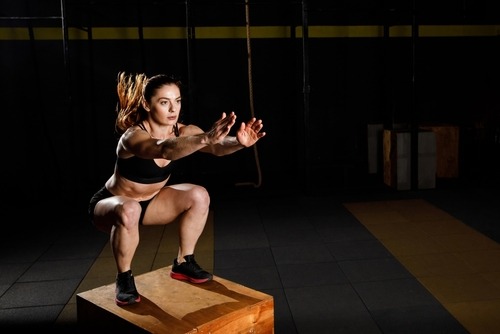
Jump Squats (Explosive Power – Quads, Glutes, Calves)
How to do it: Perform a squat, then explode upward, landing softly with bent knees. Modify by removing the jump for low-impact. Why it works: Plyometrics build fast-twitch muscle fibers, improving speed and athletic performance.
Single-Leg Deadlifts (Hamstrings, Glutes, Balance)
How to do it: Stand on one leg, hinge at the hips to lower torso while lifting the other leg straight back. Keep back flat. Return to the start. Why it works: This move strengthens the posterior chain while challenging stability—great for injury prevention.
Calf Raises (Calves, Ankle Stability)
How to do it: Stand on a step or flat ground, lift heels as high as possible, then lower slowly. Add weight for extra resistance. Why it works: Strong calves improve ankle stability, reducing the risk of sprains and shin splints.
Sumo Squats (Inner Thighs, Glutes, Quads)
How to do it: Stand with feet wider than shoulder-width, toes out. Lower into a squat, keeping knees in line with toes. Drive through heels to stand. Why it works: Targets the often-neglected inner thighs, improving hip mobility and squat depth.
How to Make Tabata Work for You: Tips for Success
Tabata is simple, but that doesn’t mean it’s easy. To get the most out of your Tabata lower body workout, follow these pro tips:
Start Slow & Master Form
Tabata is intense, so don’t sacrifice technique for speed. If you’re new to these movements, practice them at a slower pace first. A Beginner Tabata lower-body workout should focus on control before cranking up the intensity.
Warm Up & Cool Down
Cold muscles are more prone to injury. Spend 5 minutes doing dynamic stretches (leg swings, hip circles, bodyweight squats) before starting. Afterward, stretch tight areas (hip flexors, hamstrings, calves) to aid recovery.
Modify for Your Fitness Level
Too easy? Add resistance (dumbbells, resistance bands) or increase speed.
Too hard? Reduce range of motion (shallow squats, no jump) or extend rest periods.
Joint pain? Swap high-impact moves (jump squats) for low-impact versions (step-ups).
Pair Tabata with Core Work
Since lower-body strength and core stability go hand in hand, add 30 seconds of planks or dead bugs between Tabata rounds. This reinforces the connection between your legs and abs, improving overall balance.
Listen to Your Body
Tabata should feel challenging but not painful. If you experience sharp joint pain (not muscle burn), stop immediately. Recovery is just as important as the workout—take at least one rest day between lower-body Tabata sessions.
Track Progress
Keep a workout journal or use a fitness app to log reps, resistance, and how you feel. Over time, you’ll notice improvements in strength, endurance, and even posture.
The Big Picture: Why Strong Legs Change Everything
You wouldn’t build a house on a shaky foundation, so why neglect the muscles that support your entire body? A Leg Tabata routine isn’t just about aesthetics—it’s about function, longevity, and performance. Here’s what happens when you commit to strengthening your lower body:
✅ Better Balance – Strong glutes and legs keep you steady, reducing fall risk (especially as you age).
✅ Less Back Pain – Properly engaged glutes take pressure off the lower back.
✅ More Power – Explosive movements (jumping, sprinting, lifting) become easier.
✅ Improved Posture – Balanced muscles prevent slouching and alignment issues.
✅ Faster Metabolism – More muscle = more calories burned, even at rest.
The best part? You don’t need a gym membership or expensive equipment. A Tabata for toning glutes and legs at home fits into even the busiest schedule—just 4 minutes a day can transform your strength and confidence.
Your Next Move: Start Today, See Results Tomorrow
Tabata isn’t a magic pill, but it’s the closest thing to one in the fitness world. By dedicating just 16 minutes a week to this Effective Tabata training for glutes and hamstrings, you’ll build a stronger, more resilient lower body that supports you in every aspect of life.
Ready to begin? Pick 4 exercises from the list above, set a timer, and go all-out for 20 seconds. Rest, repeat, and feel the burn. In just a few weeks, you’ll notice the difference—not just in how your legs look, but in how your entire body moves.
Your foundation starts now. Drop and give me 20!