Visit Innatefit1.com for exercise wear and equipment!!!
Fueling Your Future: A Strategic Guide to Mastering New Year Nutrition Habits
Master transitioning nutrition habits into the new year with expert guidance. Implement smart goal-setting, personalized plans, and motivational strategies to achieve a healthier, more vibrant you. Start your journey today!
Joseph Battle
12/28/20257 min read


Introduction
As the calendar turns to a new year, a powerful current of change and personal growth sweeps through us all. This annual turning point isn’t just about dates; it’s a profound psychological marker, an opportunity to hit the reset button and shape the trajectory of the 12 months ahead. While many intentions spring to mind, from career advancements to new hobbies, a central, often pivotal, desire for improvement consistently emerges: our health. Specifically, transitioning nutrition habits into the new year stands as a cornerstone for building a truly robust and vibrant future.
Think of your body as a finely tuned machine, capable of incredible feats. Just as any high-performance engine demands the right fuel to operate at its peak, so does this one. This article serves as your expert guide, providing strategic, actionable advice to help you not just tweak, but genuinely transform your nutritional approach.
We will lay out a clear path, empowering you to move beyond fleeting resolutions and establish a foundation of healthy eating that supports your energy, focus, and overall well-being throughout the year and beyond. Let’s engineer a year where your plates are filled with purpose, and your body thrives.
Taking Stock: Your Nutrition Habits Under the Microscope
Before we can build a better future, we must first understand our present. The initial, and perhaps most crucial, step in any successful dietary transformation involves an honest and thorough review of where you currently stand. This isn’t about judgment; it’s about objective data collection. Reviewing nutrition habits at the end of the year or the start of the new one provides invaluable insights, allowing you to pinpoint what’s working well and which areas could use a strategic overhaul.
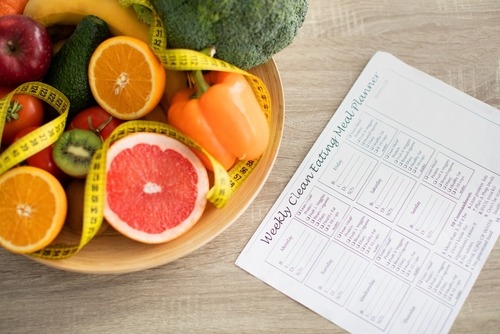
How do you accomplish this? Start by keeping a detailed food journal for a few days, or even a whole week. Write down everything you consume – every meal, every snack, every drink. Be precise about quantities and times. You don’t need fancy apps; a simple notebook will do. Once you have this snapshot, please take a moment to analyze it critically. Are you eating enough fruits and vegetables? Is protein a consistent component of your meals? Do processed foods or sugary drinks make frequent appearances? This explicit examination helps you objectively identify patterns, both beneficial and detrimental, paving the way for targeted adjustments that genuinely matter. Nutrition planners.
Mapping Your Mission: Crafting Achievable Nutrition Goals
With a clear understanding of your current eating patterns, the next strategic move is to define your destination. This is where setting intentional nutrition goals comes into play. It’s not enough to say, “I want to eat healthier.” That’s a wish, not a plan. Practical goal setting transforms vague aspirations into concrete objectives, giving you a tangible target to aim for and a clear roadmap to get there.
The most potent tool for practical goal setting is the SMART framework: Specific, Measurable, Achievable, Relevant, and Time-bound. For instance, instead of “eat less junk food,” a SMART goal might be: “I will replace my afternoon processed snack with a piece of fruit or a handful of nuts, five days a week, for the next four weeks.” This approach provides clarity, allows for progress tracking, ensures the goal is within your reach, aligns with your broader health objectives, and has a defined endpoint for evaluation. Remember, small, consistent wins build monumental success over time. Focus on goals that feel like a stretch, but not a break.
The Blueprint: Building Your Personalized Plate
Once your intentional goals are firmly in place, the next logical step is to devise a robust plan to achieve them. This involves crafting a personalized nutrition strategy that aligns with your individual needs, preferences, and lifestyle. There’s no one-size-fits-all diet, and the most effective plan is the one you can consistently adhere to. This stage moves beyond general aspirations and delves into the specifics of how you will eat day to day.
A cornerstone of any effective nutrition strategy is ensuring a variety of foods are incorporated into your daily intake. Think of your plate as a canvas, and each food group as a different color, contributing to a vibrant and balanced masterpiece. Focus on incorporating plenty of lean proteins (chicken, fish, legumes), complex carbohydrates (whole grains, vegetables), healthy fats (avocado, nuts, olive oil), and an abundance of fruits and vegetables.
This not only ensures you receive a broad spectrum of essential vitamins and minerals but also keeps meals interesting and prevents dietary boredom. Planning your meals and snacks becomes a strategic advantage here, helping you make proactive, healthy choices rather than reactive, potentially less optimal ones.
Seamless Integration: Weaving Healthy Choices into Your Daily Rhythm
Knowing what to eat is one thing; consistently doing it is another. This section is all about actionable strategies for embedding new, beneficial nutrition habits into your everyday routine. It’s about making healthy eating an effortless part of your life, rather than a constant battle of willpower. Gradual introduction is key here; drastic changes often lead to burnout.
Consider the power of small swaps. Instead of eliminating a favorite, less-healthy item, try replacing it with a healthier alternative a few times a week. For example, trade a sugary breakfast cereal for oatmeal topped with berries and nuts. One of the most effective strategies for seamless integration is meal prepping and planning. Dedicate a couple of hours each week to planning your meals and preparing components in advance.
This might involve chopping vegetables, cooking a batch of whole grains, or portioning out proteins. When healthy options are readily available and straightforward to assemble, you significantly increase your likelihood of sticking to your plan, even on your busiest days. This proactive approach turns good intentions into consistent, tangible actions.
The Momentum Maintainer: Keeping Your Nutritional Engine Running Strong
Starting strong is admirable, but sustaining that momentum is where true transformation occurs. Maintaining motivation throughout the year, especially when the initial new year energy fades, requires strategic effort and a forward-thinking mindset. This is not about white-knuckling your way through; it’s about building systems that support your continuous progress.
A powerful tool for sustained motivation is consistent progress tracking. This doesn’t mean obsessive calorie counting; it means paying attention to how your efforts are translating into results. This could involve periodic check-ins on your initial SMART goals, noting increased energy levels, improved sleep quality, or even how well your clothes fit. Equally important is celebrating small victories.
Did you hit your goal of five fruit and vegetable servings every day for a week? That deserves acknowledgement! Did you successfully meal prep for the entire week without resorting to takeout? Pat yourself on the back. These affirmations reinforce positive behavior and provide the psychological boost needed to keep pushing forward, making your journey both rewarding and sustainable.
Roadblocks and Reroutes: Navigating Nutritional Hurdles
Even the most meticulously crafted plans will encounter bumps in the road. It’s not a question of if you will face challenges, but when, and more importantly, how you will respond. Anticipating common obstacles and having strategies to overcome them is a mark of accurate nutritional foresight. A strategic approach involves identifying potential pitfalls and having a pre-planned reroute.
Common challenges include social events, stress eating, lack of time, and simply experiencing a craving for something less optimal. For social events, practice mindful eating: enjoy smaller portions and focus on conversation. To reduce stress, develop alternative coping mechanisms, such as exercise, meditation, or talking to a friend, rather than turning to food.
When time is tight, lean on your meal-prep efforts or have go-to healthy, quick options ready. And when cravings strike, acknowledge them, then try drinking a glass of water, waiting 15 minutes, or opting for a healthier version of what you crave. The key is to view setbacks not as failures, but as temporary detours, providing an opportunity to adjust your strategy and get right back on track with renewed determination.
The Pro Playbook: Wisdom from the World of Wellness
To bolster your journey, it's always wise to tap into the collective wisdom of those who live and breathe health. Expert nutritionists and fitness professionals consistently emphasize certain principles that stand the test of time and research. One such principle, gaining significant traction and backed by scientific understanding, is the power of whole, unprocessed foods. Dr. Sarah Johnson, a respected nutritional scientist, often states, "Your body doesn’t just need calories; it needs nutrients. Prioritize foods that come directly from nature, and you’re already halfway to optimal health."
Furthermore, research increasingly highlights the importance of gut health, explaining how a diverse array of plant-based foods can foster a thriving microbiome, which in turn influences everything from digestion to mood. Think beyond just “eating enough”; consider “eating intelligently” to fuel your body at a cellular level. Incorporating fermented foods like kimchi or Greek yogurt, alongside a wide variety of fibrous fruits, vegetables, and whole grains, directly supports this internal ecosystem. This isn’t about chasing fad diets; it’s about making choices grounded in a deep understanding of human anatomy and how specific nutrients interact with our physiology to promote vitality.
Your Unstoppable Journey: A Powerful Path Forward
As we wrap up this strategic guide, remember the power you hold to shape your own health destiny. We began with the profound significance of the new year as a catalyst for change and introduced the critical role of transitioning nutrition habits into the new year. We then mapped out a clear, actionable path: from the essential exercise of reviewing nutrition habits at the end of the year to the precision required for setting intentional nutrition goals using the SMART framework.
We then covered the practical steps of creating a personalized eating plan, seamlessly integrating new choices, and maintaining motivation through tracking and celebrating progress. We addressed the inevitable challenges, offering practical strategies to turn obstacles into opportunities for growth. Finally, we reinforced these steps with expert insights, grounding our advice in sound scientific principles. Your nutritional journey is not a race; it’s a marathon, and every thoughtful, deliberate step you take builds resilience and strength. Embrace this opportunity, commit to these strategies, and embark on a year of profound health and unstoppable well-being. Your best nutritional year starts now.